

People are gone, wilderness is back: a new study states the Chornobyl Exclusion Zone is a wildlife refuge
Another paper based on the data from our project was published in the Proceedings of the Royal Society B: Biological Sciences. The analysis of camera-trap photos confirmed the scientists’ hypothesis that the Chornobyl Exclusion Zone, with its large area and very low level of anthropogenic impact, boasts much greater abundance and diversity of wildlife than other protected areas in the north of Ukraine.
Forty years have passed since the accident at the Chornobyl Nuclear Power Station radically altered the fate of Polesia. Vast areas were contaminated by radioactivity. The area surrounding the damaged nuclear power station became uninhabitable. The population was evacuated from the 2,600-square-kilometer Exclusion Zone spanning parts of Belarus and Ukraine. Today, it is one of the most radioactively contaminated places on the planet.
Throughout all these years, the Chornobyl disaster and its consequences have been the subject of scrutiny by scientists, who have been studying it from various perspectives: environmental, medical, social, economic, and cultural. The wildlife of the Exclusion Zone continues to attract constant interest. Whilst across the world, human activity is posing an ever-greater threat to biodiversity and continues to disrupt and destroy habitats, in Chornobyl nature is reclaiming territory, thriving and recovering according to its own laws and rules, with almost no human impact.
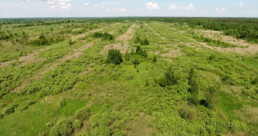
Studies have shown that exposure to radiation has had a significant impact on the survival and reproduction of the fauna in the Chornobyl Exclusion Zone (CEZ). At the same time, the almost complete cessation of economic activity has led to the recolonization of vast areas by species of wild animals whose populations had previously been in decline or even those once considered locally extinct.
A team of scientists from the Albert Ludwig University of Freiburg in Germany, led by ecologist Svitlana Kudrenko, has spent several years analyzing the impact of human stressors and landscape characteristics on diversity, occupancy, and detection probabilities of 11 terrestrial mammals across the Ukrainian CEZ, regional protected areas (PAs), and non-PAs. The study was based on data collected during the largest camera trap survey conducted and funded as part of our project in 2020–2021. The study covers several protected areas in Ukrainian Polesia of different sizes and protection levels: the Chornobyl Radiation and Ecological Biosphere Reserve; four nature reserves: the Drevlianskyi, Poliskyi, Rivnenskyi, and Cheremskyi; two national parks – the Prypiat-Stokhid and Nobelskyi; and non-protected areas bordering the abovementioned PAs.
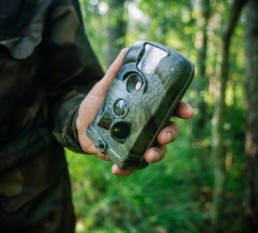
The authors of the study predicted that the Ukrainian part of the CEZ as the largest PA with enforced human access restrictions would have a higher diversity and density of mammal species than smaller PAs and non-PAs and, at the same time, a mammalian diversity, detection, and occupancy probabilities would decrease with increasing human activities, linear infrastructure (roads) and other landscape modifications.
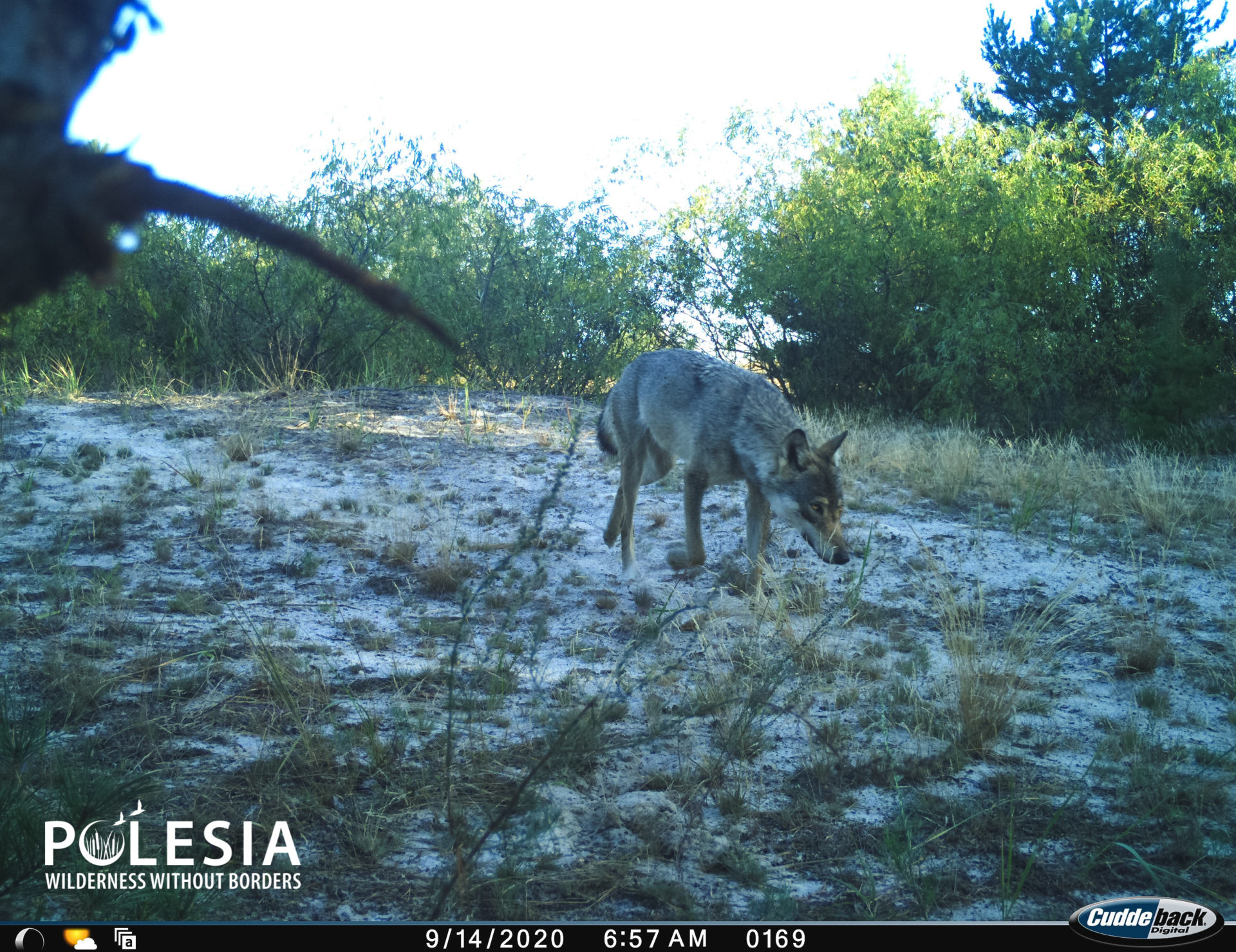
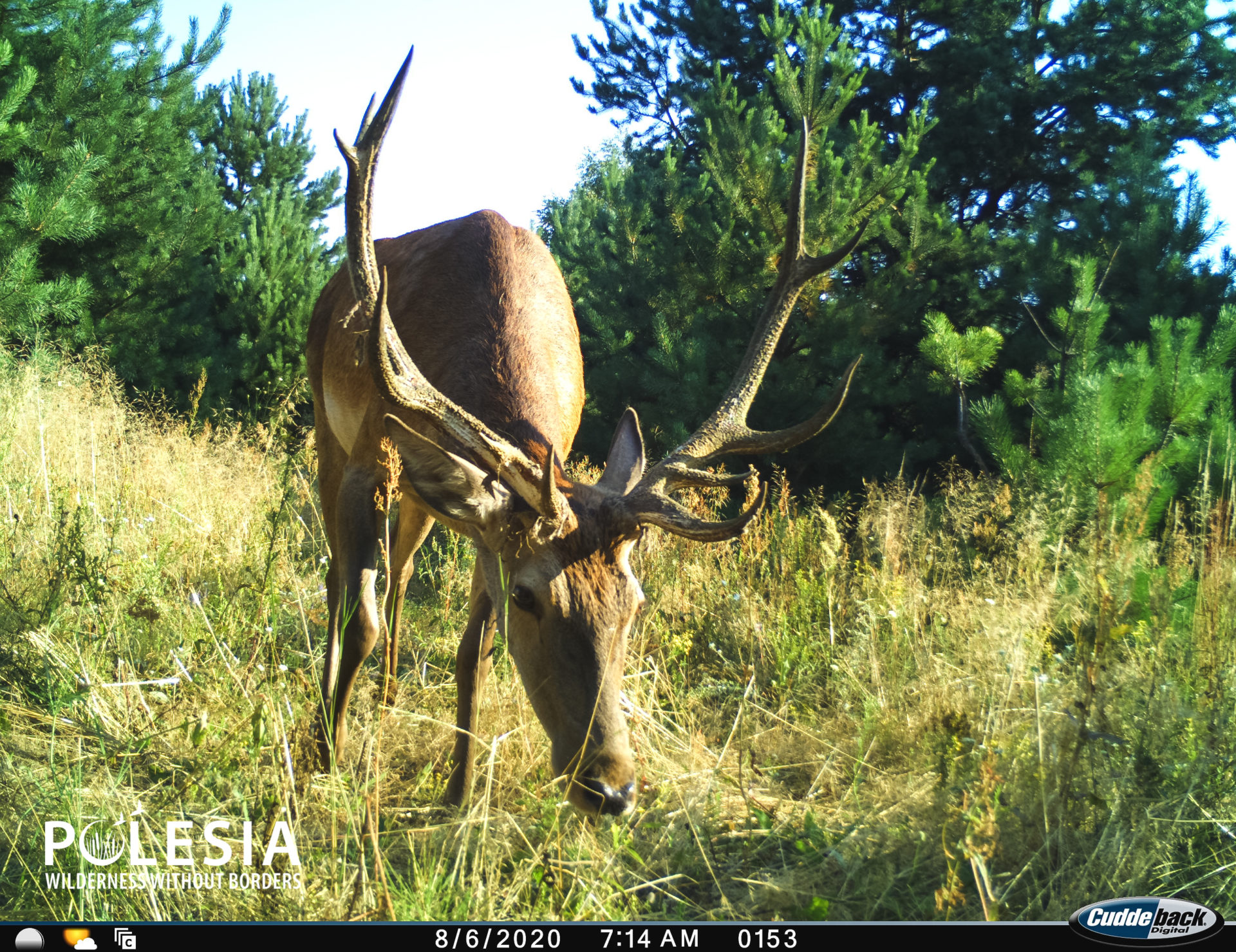
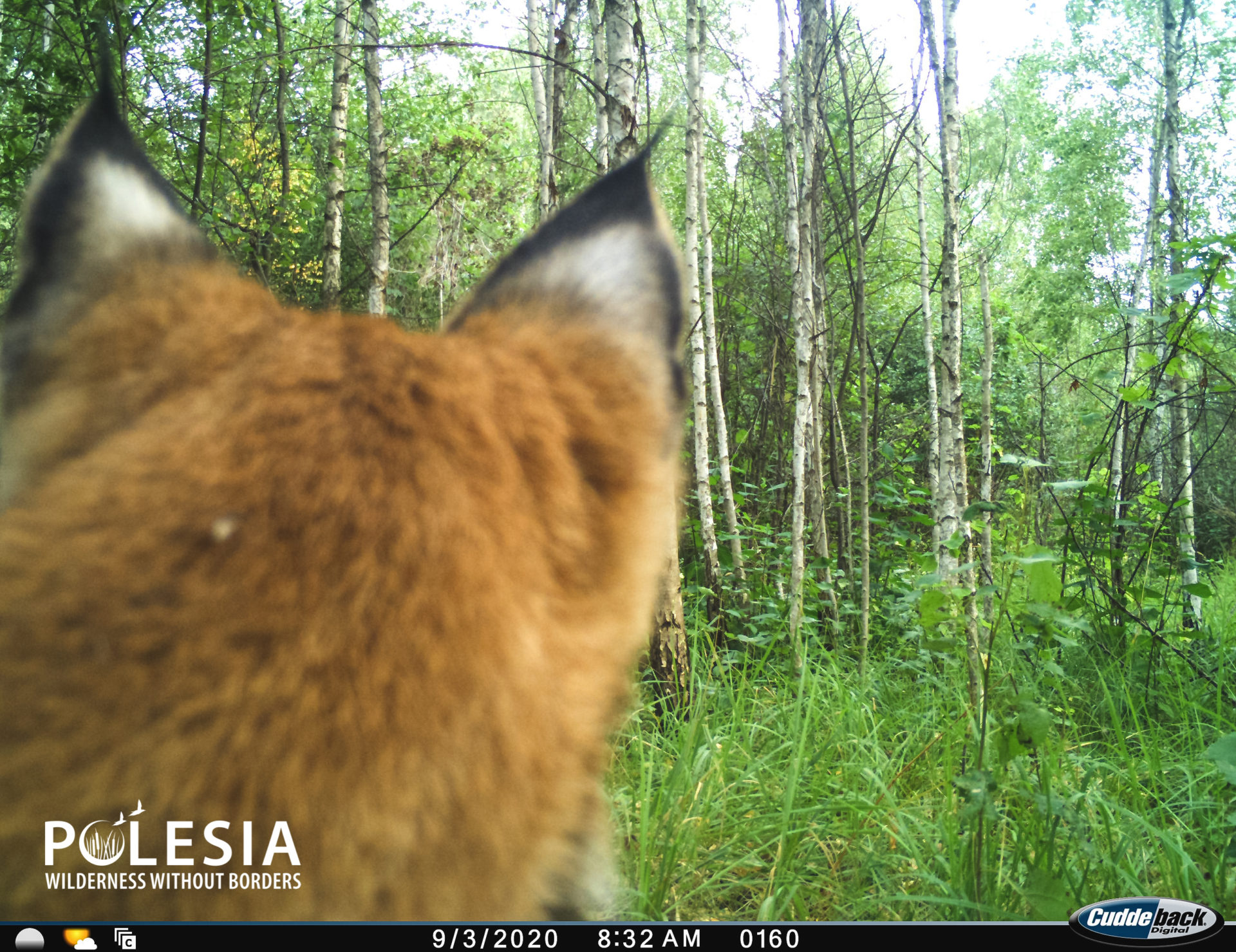
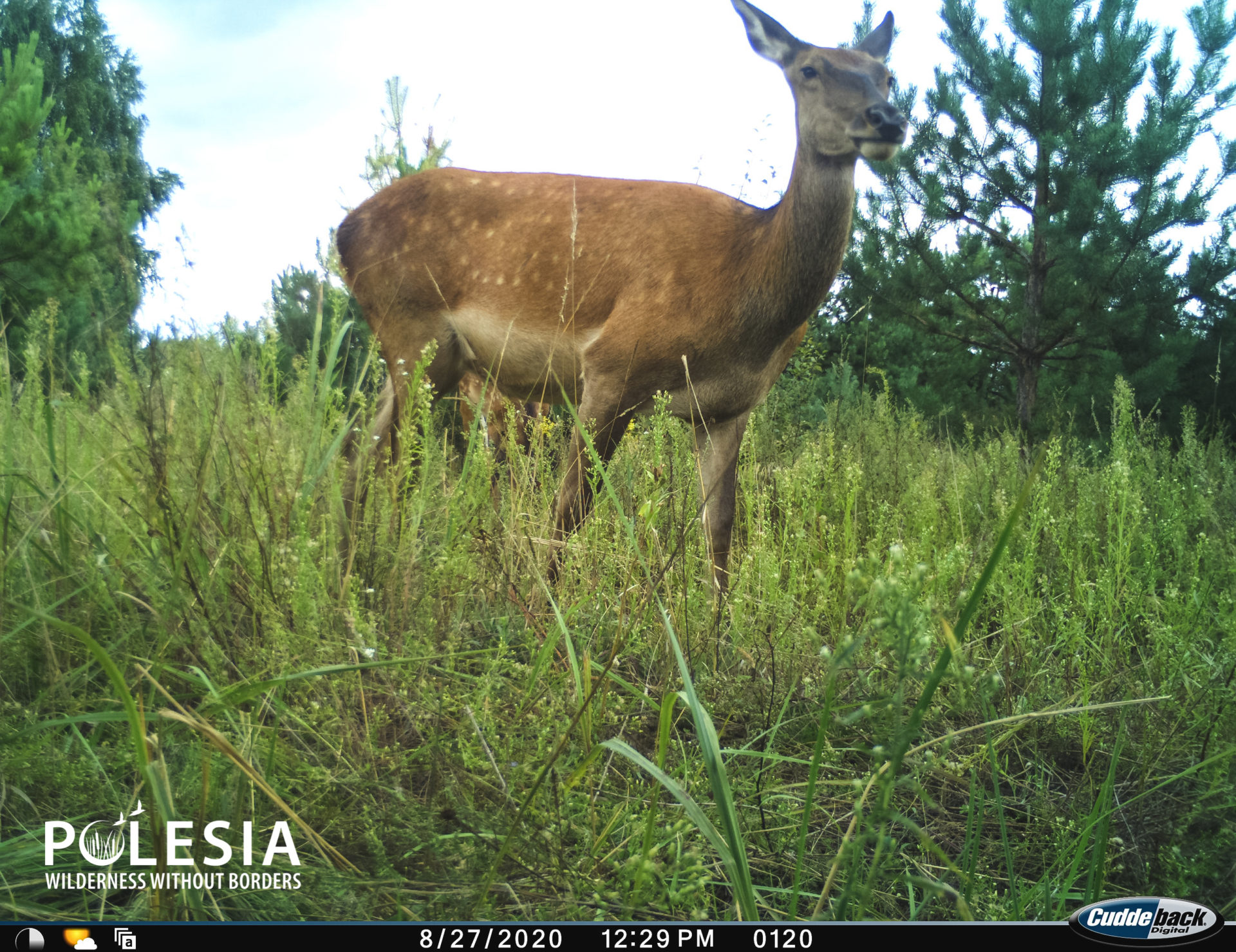
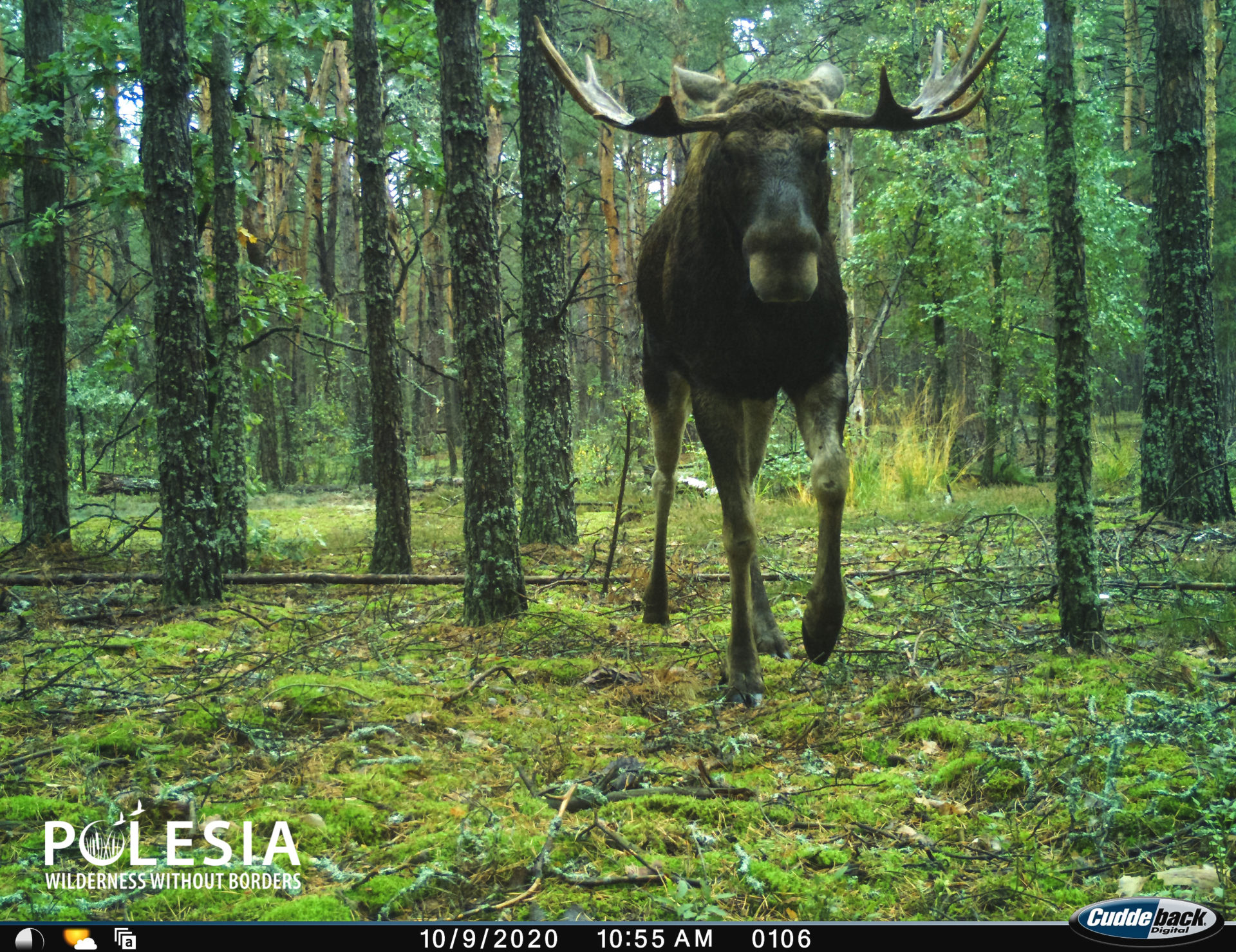
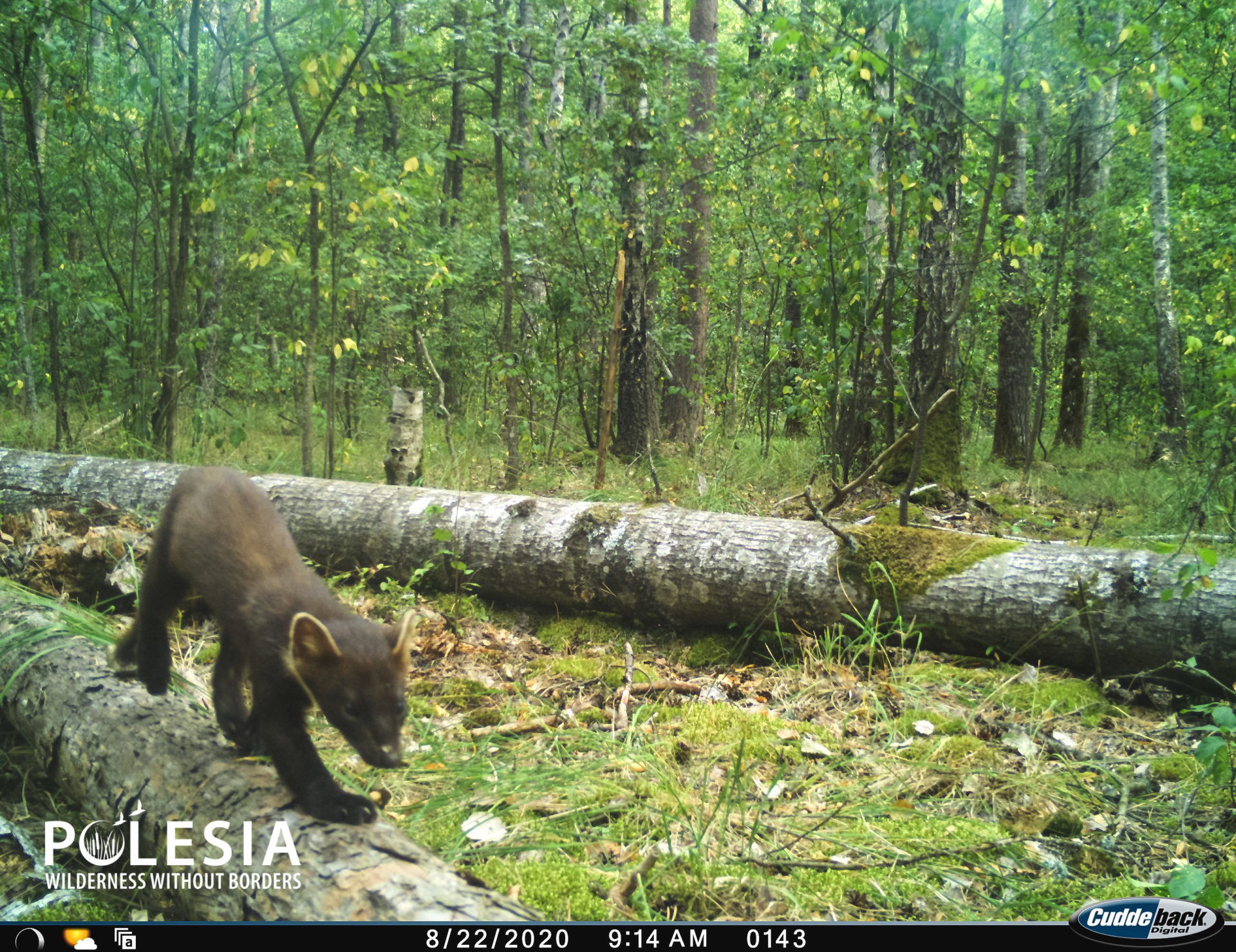
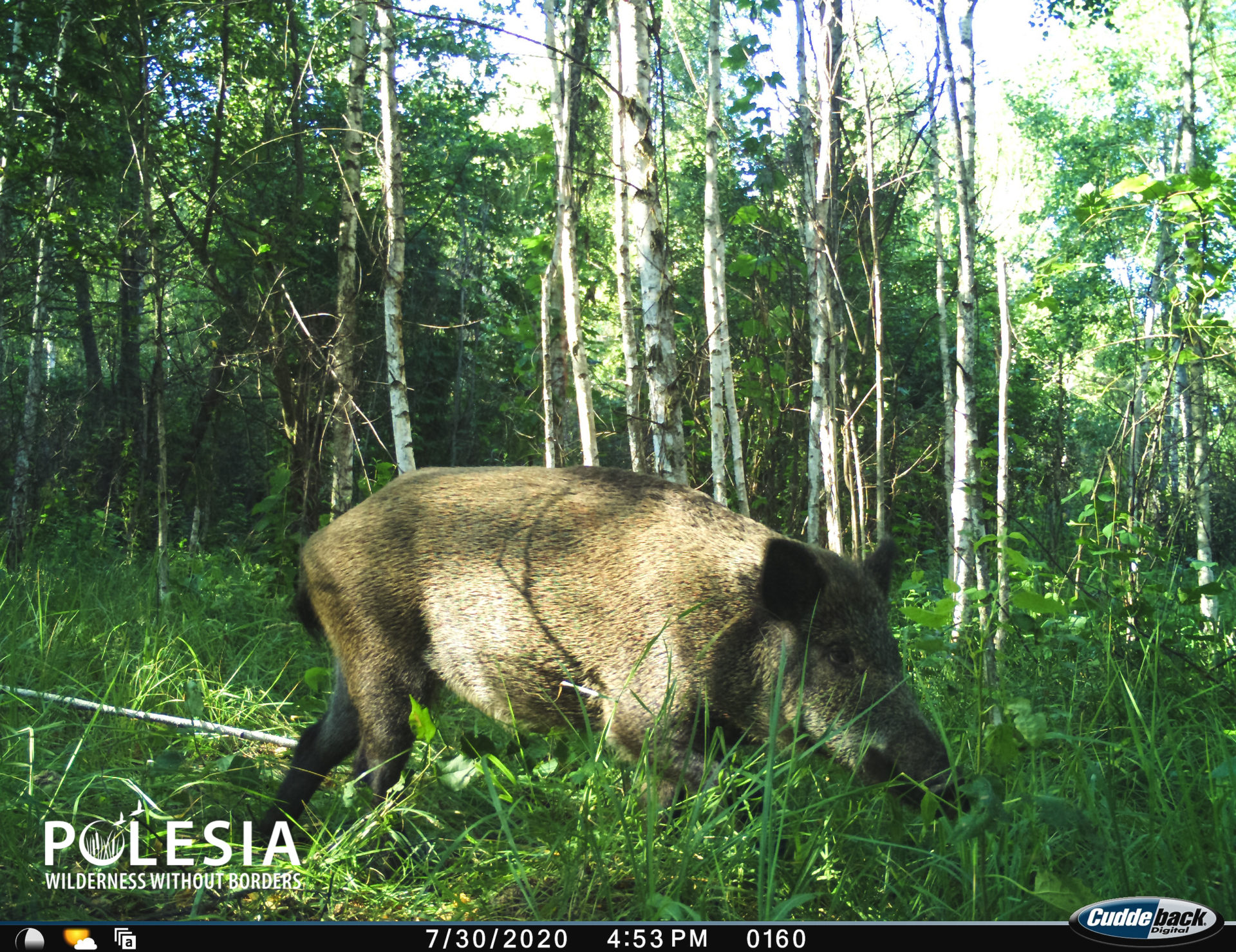
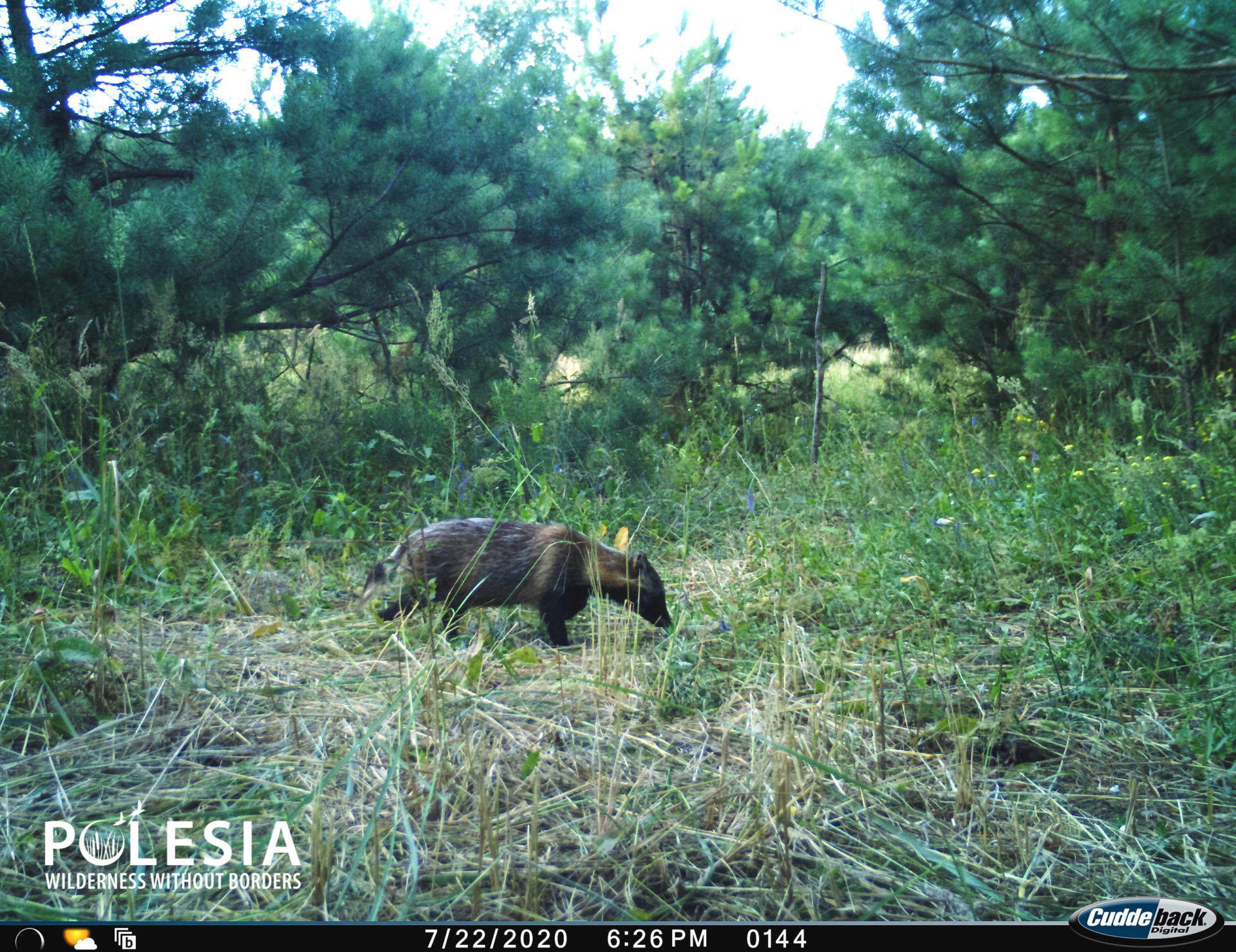
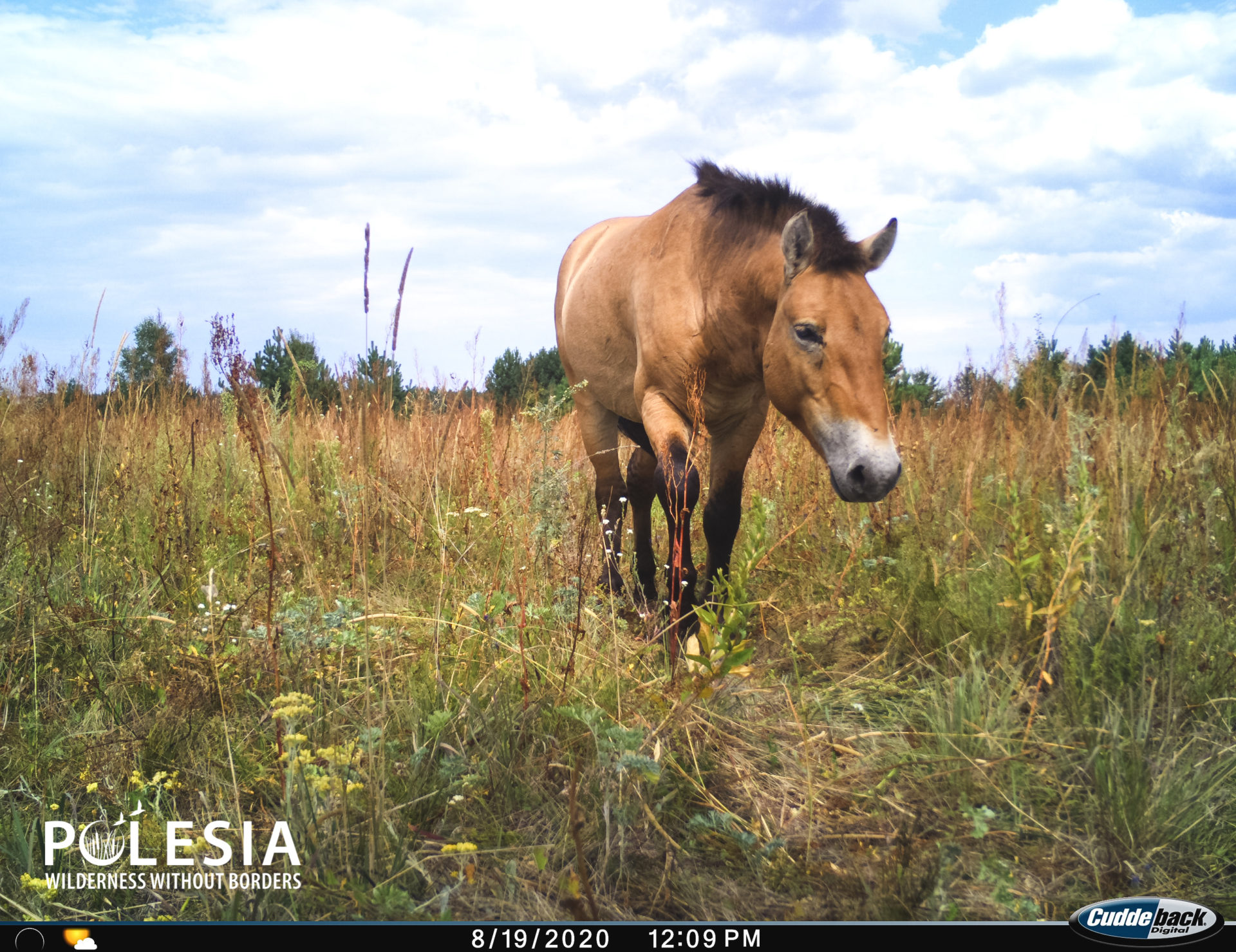
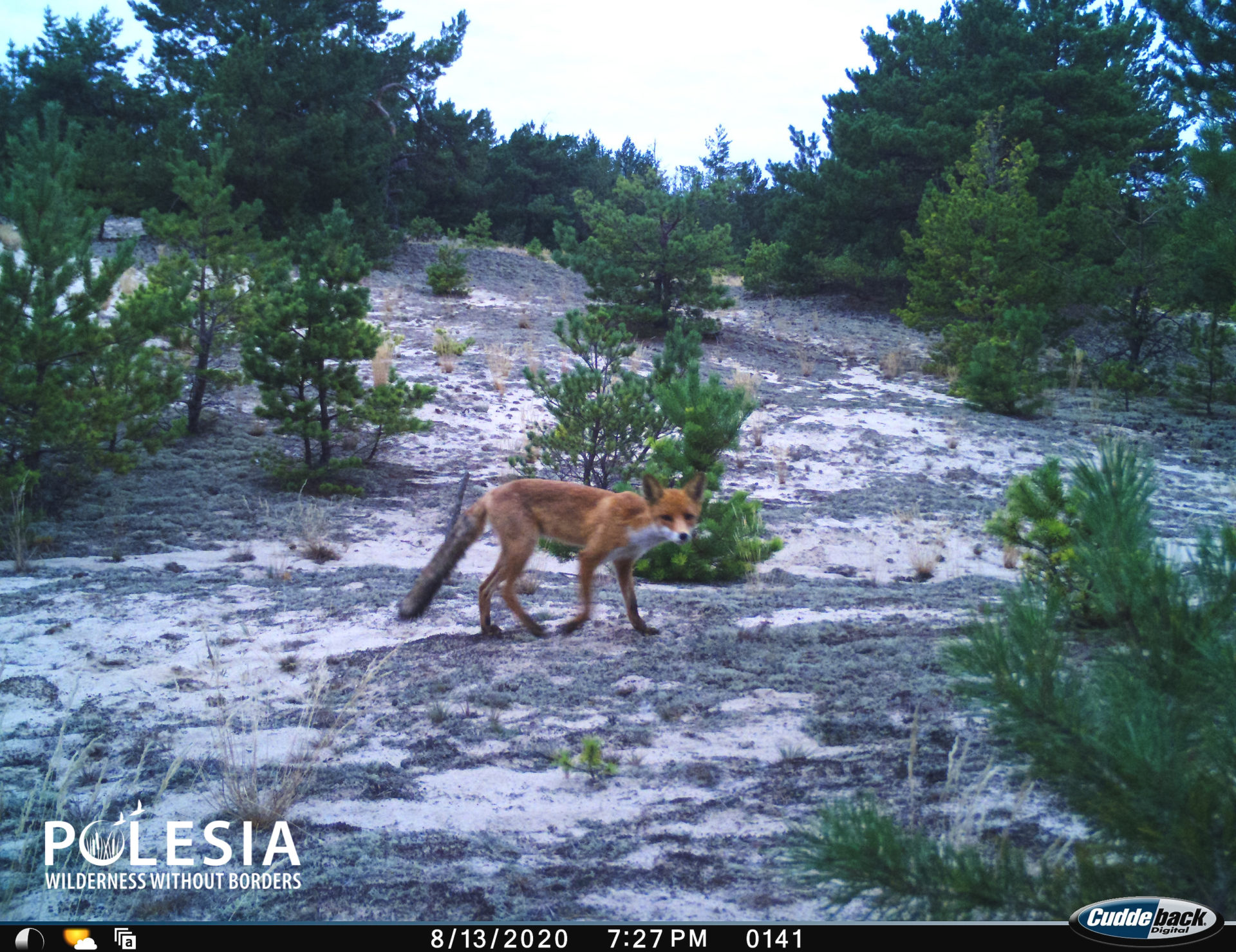
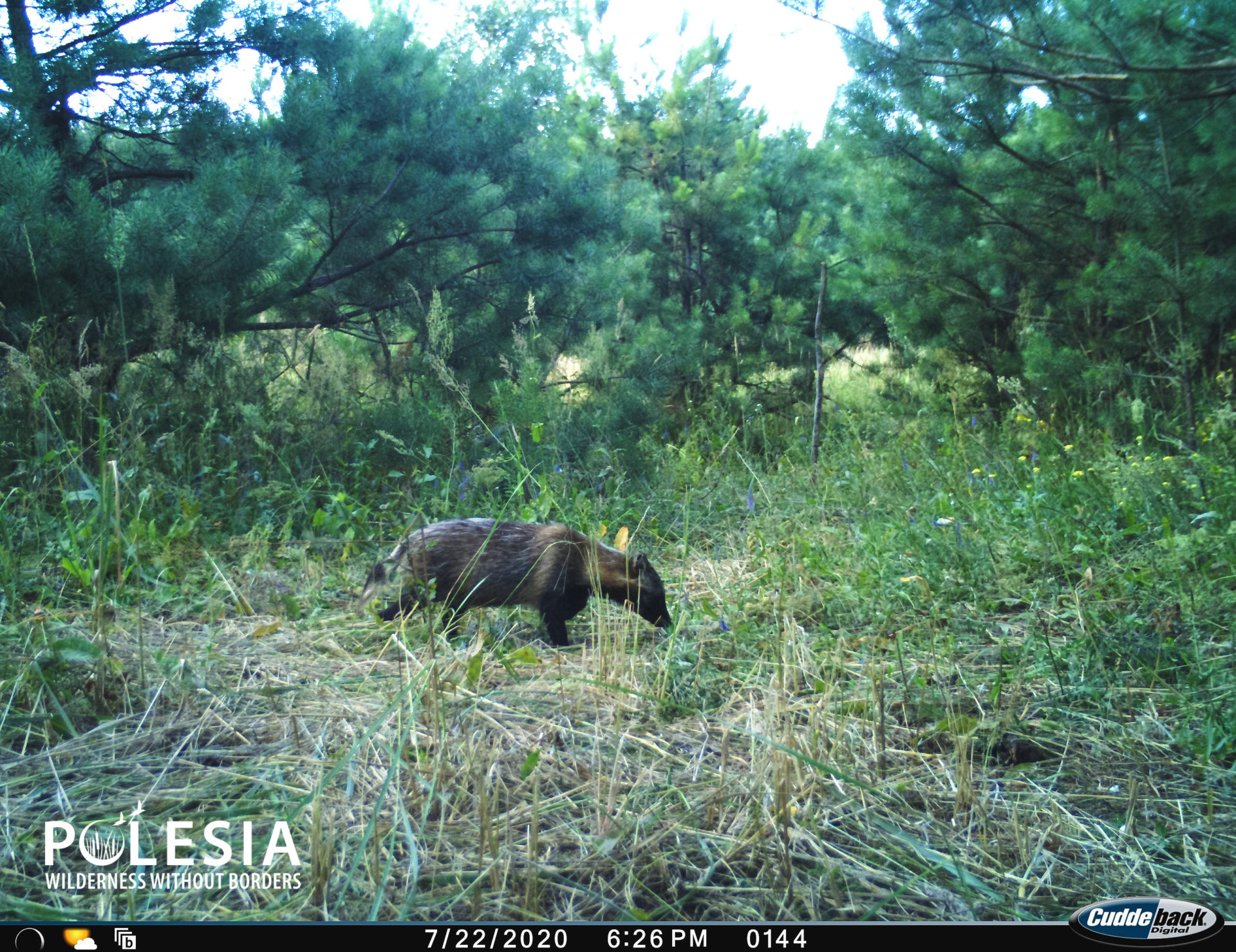
Having analysed thousands of pictures obtained from automatic photo-cameras, the scientists found 13 mammal species captured by them in the study area: the red deer (Cervus elaphus), the roe deer (Capreolus capreolus), the moose (Alces alces), the Przewalski’s horse (Equus ferus przewalskii), the wild boar (Sus scrofa), the European hare (Lepus europaeus), the red fox (Vulpes vulpes), the raccoon dog (Nyctereutesprocyonoides), the European badger (Meles meles), the marten (Martes martes), the gray wolf (Canis lupus), the Eurasian lynx (Lynx lynx), and the brown bear (Ursus arctos). Interestingly, of the total 31,200 sightings, 19,832 occurred in the CEZ. All the 13 species were recorded in the CEZ, while only one – in the Cheremskyi Strict Nature Reserve.
Using statistical methods, the researchers came to the conclusion that the highest animal occupancy, diversity, and detection are presented in the CEZ and the Drevlianskyi Strict Nature Reserve adjacent to it. Thus, the scientists’ hypothesis that the largest protected area with the lowest level of human disturbance is the most favorable for wildlife has been confirmed. This is particularly relevant for large mammals like Eurasian lynx, which need large territories and are especially sensitive to human disturbance.
The authors came to the conclusion that reduced human activity benefits wildlife, and human access enforcement is essential for wildlife conservation. The results of the study prove that protected areas are most effective when they are large and contiguous with enforced access restrictions. The smaller PAs, often isolated and fragmented, provide much worse conditions for wildlife. Their conservation potential can be enhanced through their expansion. The authors of the study insist that the establishment and expansion of protected areas is a key strategy to counteract population declines of vulnerable species and ensure long-term biodiversity conservation under the condition of scientifically grounded and consistent management.



The project “Polesia – Wilderness Without Borders” is part of the Endangered Landscapes & Seascapes Programme and is funded by Arcadia. The project is coordinated by Frankfurt Zoological Society (FZS).