

Wetlands shaping culture: authentic traditions that emerged in the Polesian landscape are still alive
The theme of the World Wetlands Day in 2026 is “Wetlands and Traditional Knowledge: Celebrating Cultural Heritage”, recognizing the deep-rooted connections between these ecosystems and cultural identity. Many phenomena of traditional culture in Polesia have been preserved till today and represent cultural values that can only emerge and exist in this geographical and natural environment. Today, we would like to tell you about some of them.
A land of thick forests, winding rivers, impassable swamps and mysterious fogs – such associations Polesia evokes. Crossed by many large and small rivers and heavily waterlogged, this lowland forest region seemed to be an unsuitable place for human settlement. However, archaeologists have discovered that primitive settlements appeared here over 25,000 years ago in the Paleolithic era. As the glacier retreated, people began exploring Polesia and settling there. The region’s relative isolation promoted the development of a distinct local culture, which was greatly influenced by the surrounding landscape.
For centuries, specific natural conditions have determined the daily lives of people and their efforts to adapt to the environment. As settlements formed and developed in Polesia, communication routes and means of transport became increasingly important. The overland roads in Polesia that connected settlements, agricultural lands and river docks were often in poor condition. Unpaved, they could usually only be used in summer when the swampy ground dried up, and in winter when it was frozen. Overland communication in Polesia was further hindered by sandy terrain, extensive marshlands and long-lasting river flooding. Even on postal and military-trade routes that were usually in better condition, travel was dangerous. In some areas, roads were often underwater and traffic was halted, while local communication was carried out by boat or raft.
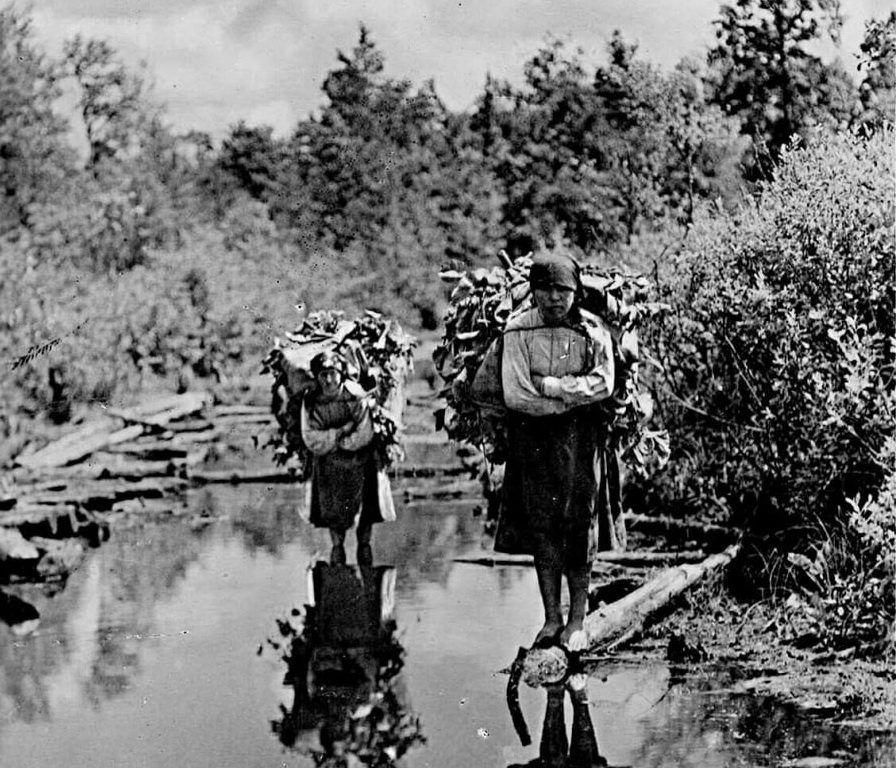
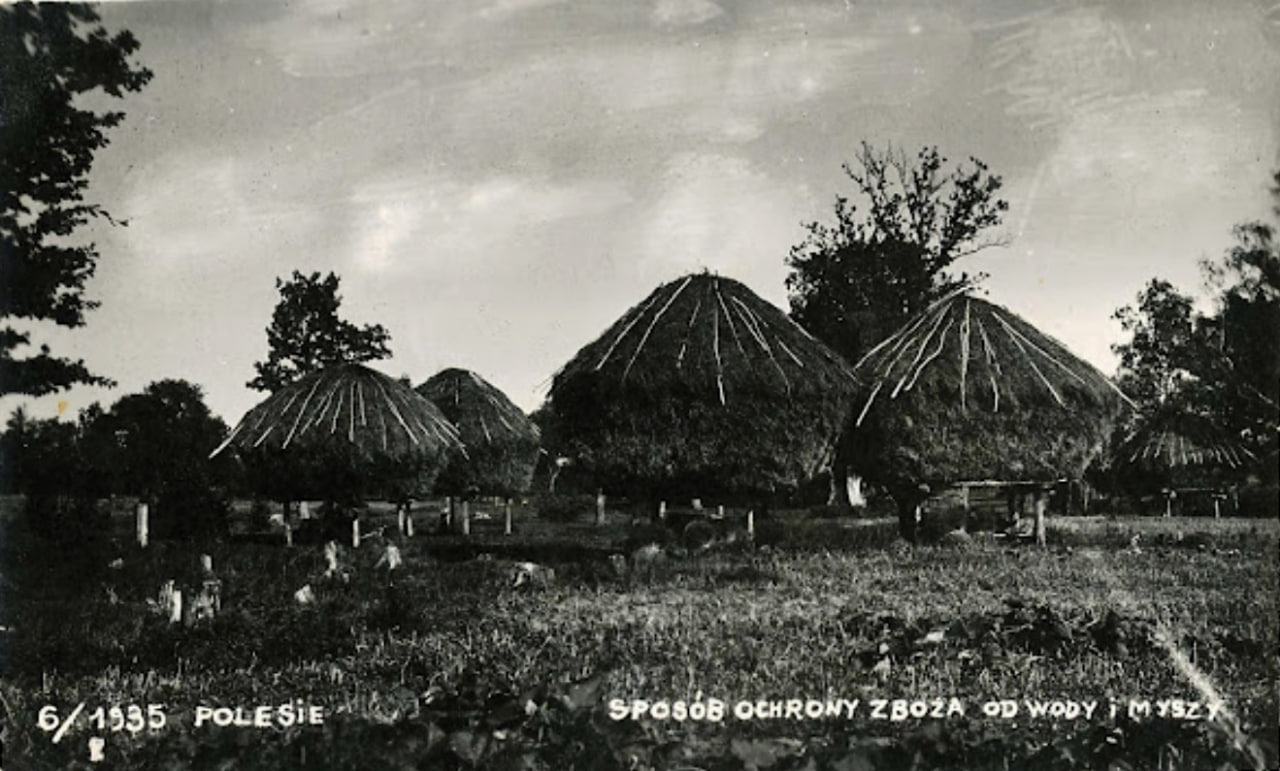
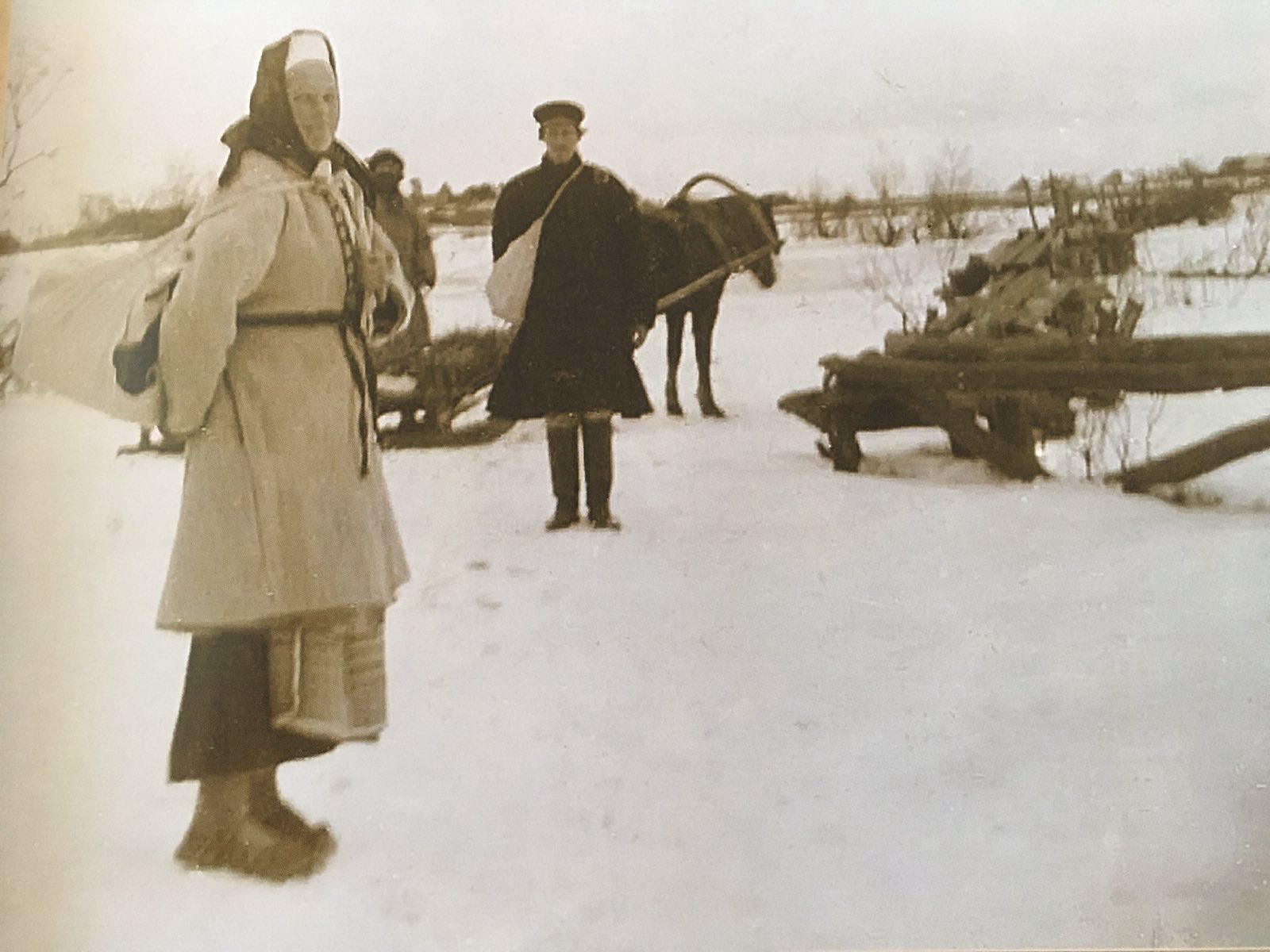
In such conditions, there was a great need for raised wooden pathways and bridges. These structures extended for hundreds of metres across swampy areas and river floodplains. People and sometimes horses or oxen could walk on them. Nevertheless, Polesia could not do without watercraft used for most of the year. Even today, many Polesian residents, both in rural areas and in cities, own and actively use rowing boats and motorboats.
Given their location, it is not surprising that Polesia’s inhabitants became highly skilled at making boats. They made them from the most accessible material: wood. Even today, the ancient technique of carving a so-called Prypiat boat from a single tree trunk is still alive. In the 19th century, the most popular boats were made from oak, willow, pine, aspen and sedge, and were widely used for transporting goods and people, as well as for fishing and hunting. These boats could be up to 10 metres long and 1.5 metres wide (just imagine the size of the local trees!). These boats were steered with a special ‘Polesian’ oar with a single paddle. Today, of course, these chiselled boats have given way to more modern vessels. However, several craftsmen continue to practisce this craft, preserving it as a special local tradition. They still work by hand, using old technology and a strictly defined set of tools, just as their great-grandfathers did.
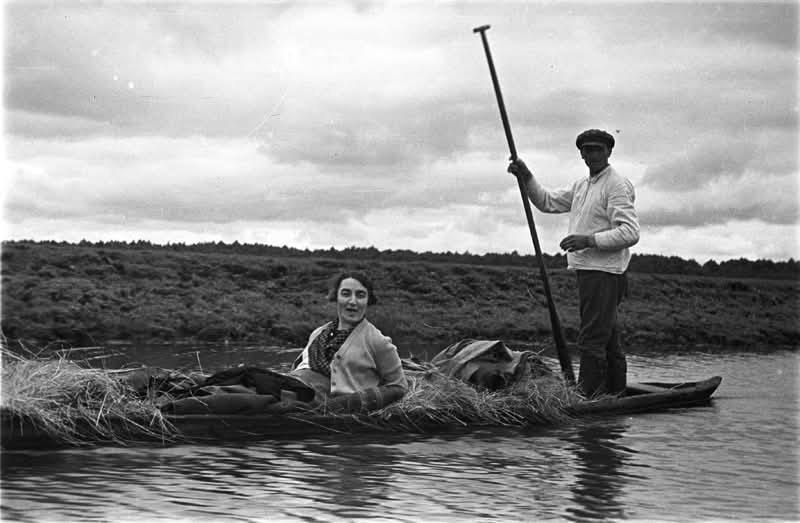
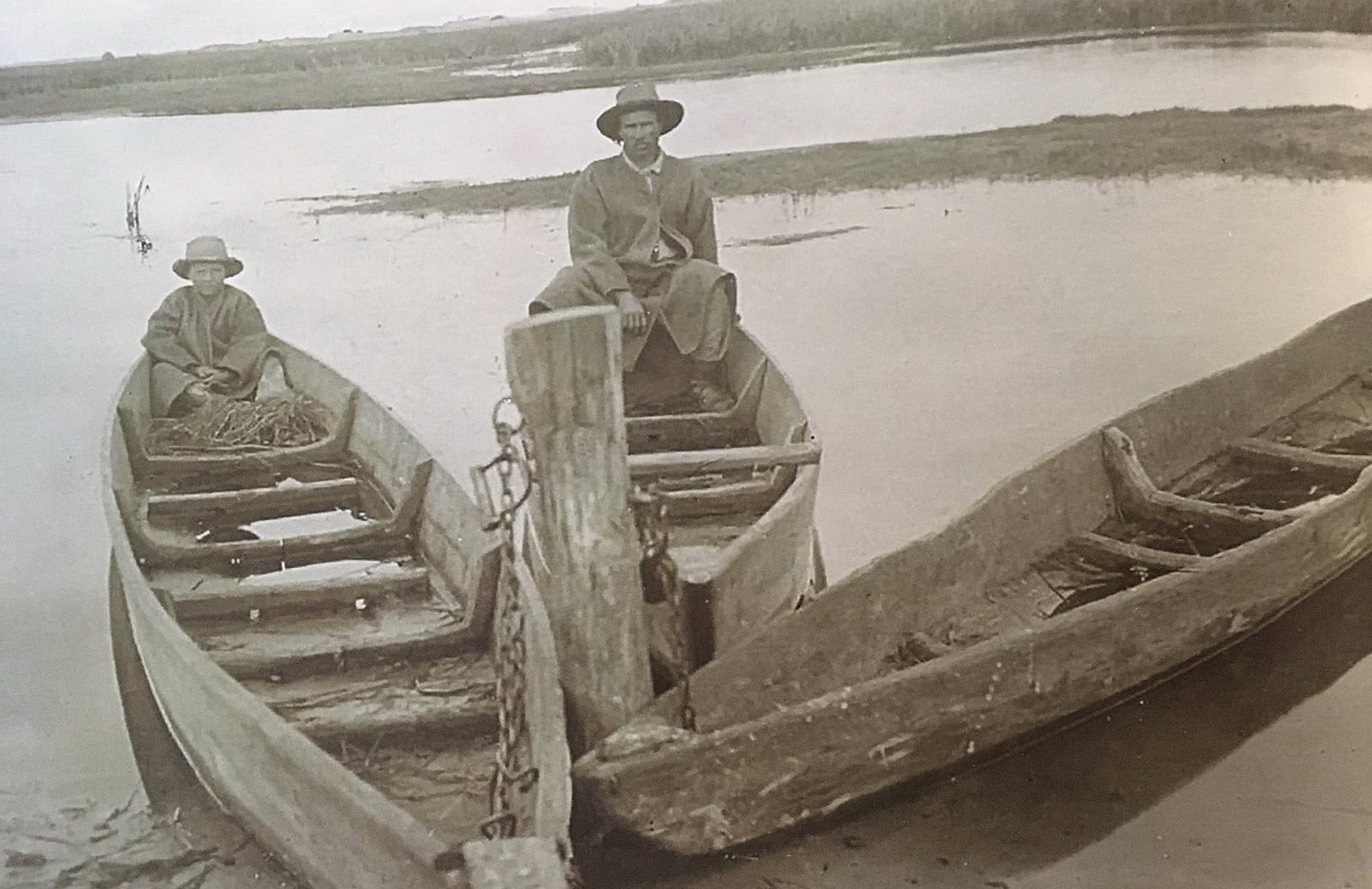
Polesia is criss-crossed by rivers just like by blood vessels. It is no wonder that up until the beginning of the 20th century, fishing was an auxiliary and sometimes the main occupation of the local peasantry. This was due not only to the abundance of fish-rich water reservoirs, but also because fishing was accessible to people of any age and sex. Fish were caught in their free time, throughout the year and using various ways. They were cooked in different ways, eaten immediately or stored.
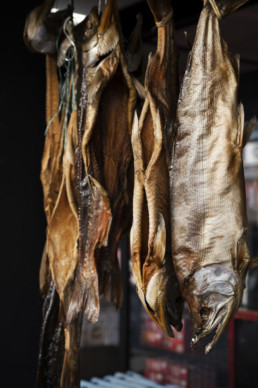
Drying was and still is one of the most popular ways of preparing fish for storage. Up till now, people in Polesia use an ancient local method of drying fish on straw in a stove.
The river fish are cleaned, gutted and salted, and then left for a couple of hours. Meanwhile, the stove is heated using birch or fruit tree swood, as this gives the fish a special flavour. The hot stove is then cleared of coal and ashes. The fish is dried with a cloth and laid out on a tray covered with straw, cumin and dill stems, and currant, raspberry and cherry sprigs. The tray is then placed in a hot over night. The next morning, the dried fish is removed from the oven. It is flavourful and crispy, and can be eaten straight away, bones and all.
This fish can be stored for a long time and eaten as a dish in its own right, or with other foods.
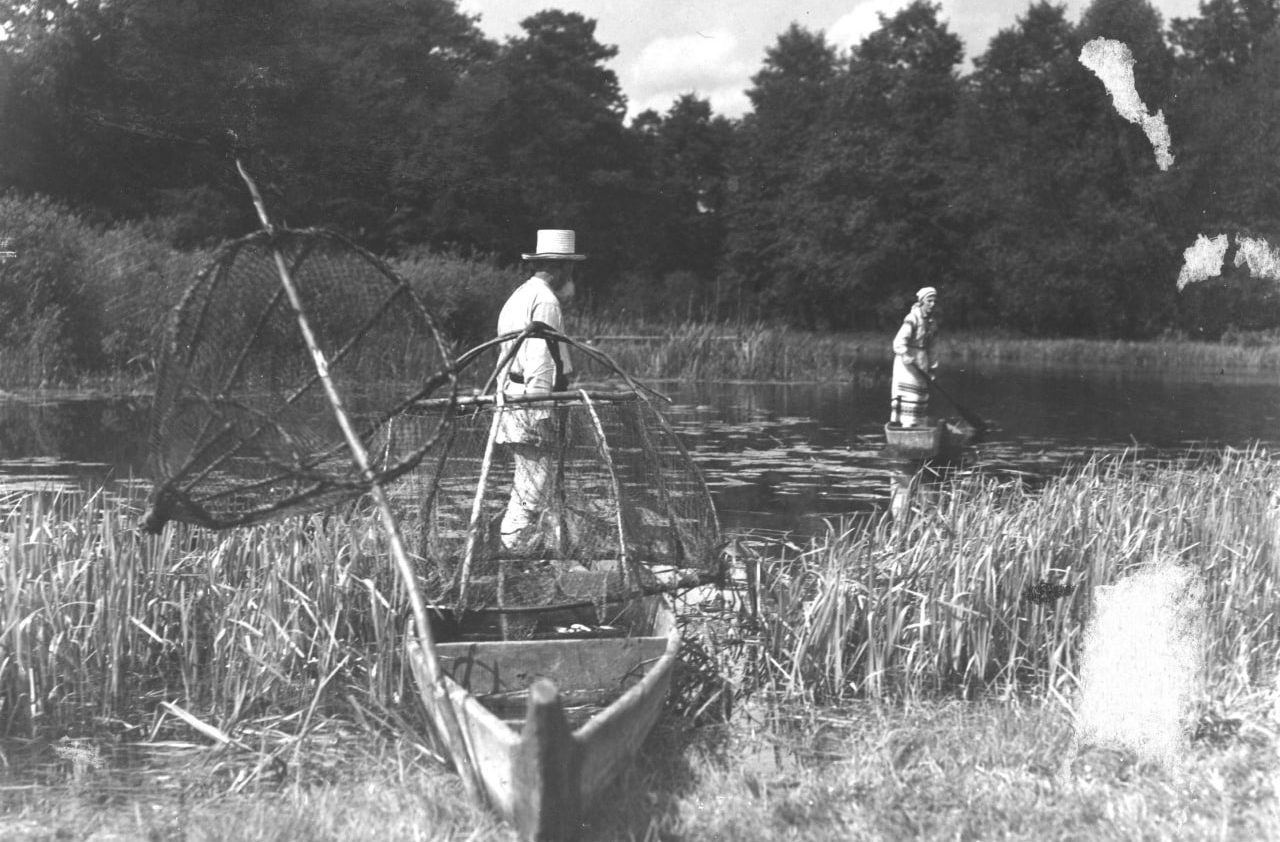
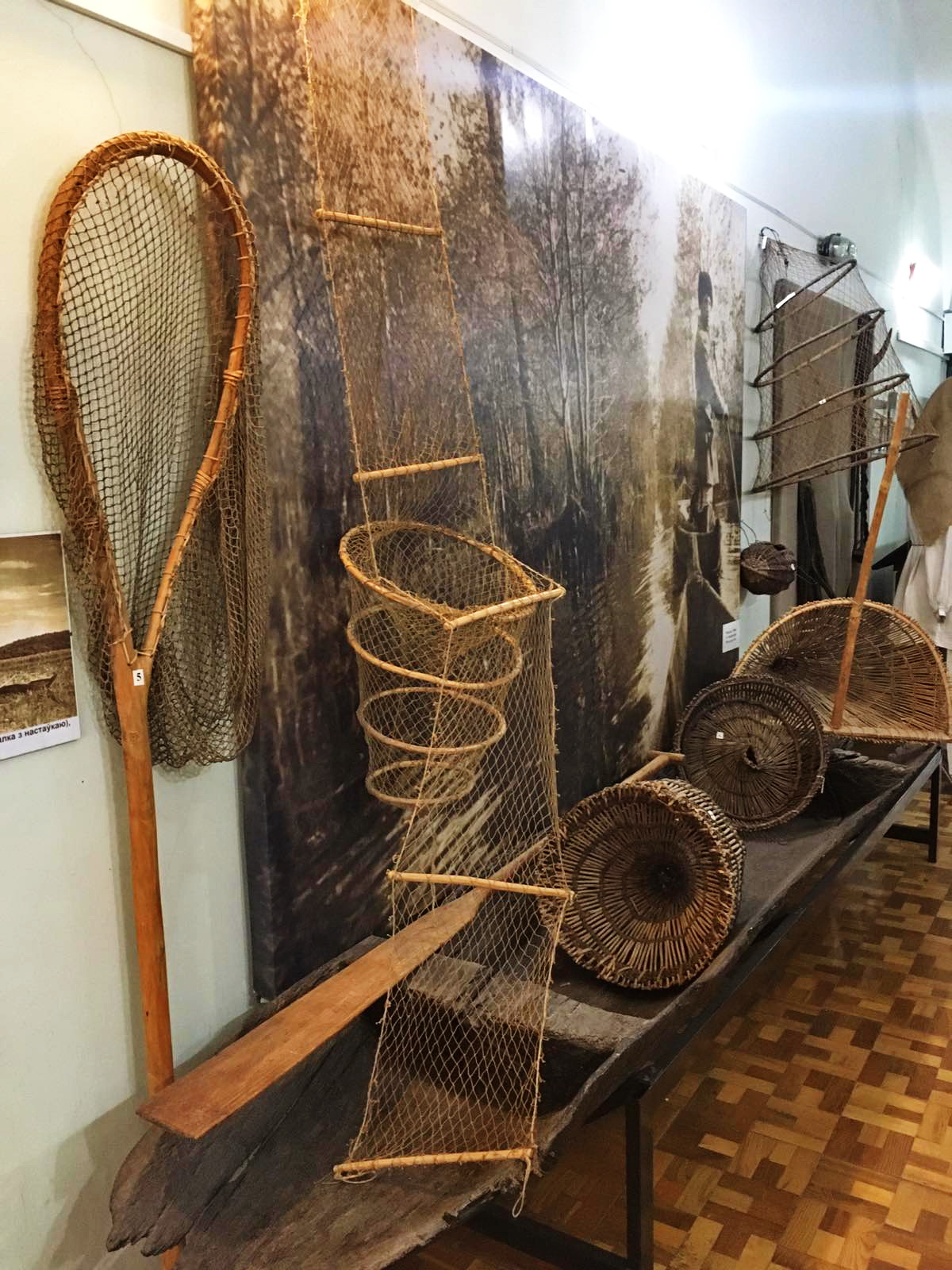
As the urban population grew and railways were constructed, commercial fishing became widespread. Fish were sold in local markets and exported beyond Polesia. In the 1930s, over 50% of the lake and river fish brought to Warsaw originated from western Polesia. Fishing techniques varied dependeding on the season, the features of the water bodies, the fish species being caught and local traditions. Stationary and mobile fishing traps were widely used, primarily due to the abundance of water bodies in Polesia that were overgrown with algae and grass. The most common type of trap was a cone-shaped basket with an opening inside, woven from vine rods.
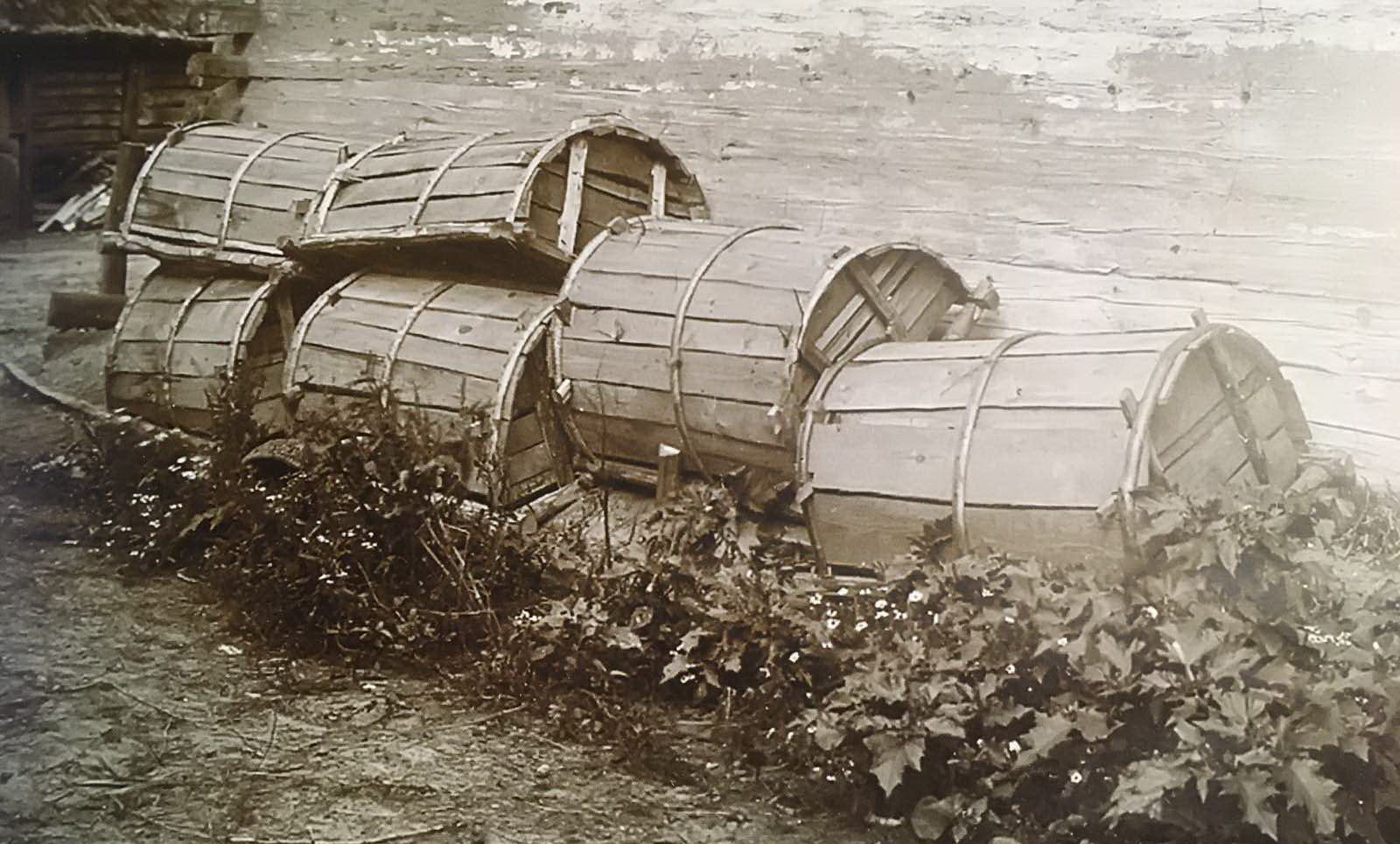
Fishing was one of the most important trades in Polesia, sometimes even a matter of survival. According to ancient beliefs of it’s inhabitants, the mythical fish was a creature that held the entire region on its back. They believed that this sacred giant fish, named Malimon, inhabits the underground ocean and is the patron of swamps and rivers, as well as the protector of fish and fishermen. From time to time, Malimon would surface to survey his domain, and the rivers overflow their banks. After the mythical fish sinks back down into the underground ocean, a drought occurs.
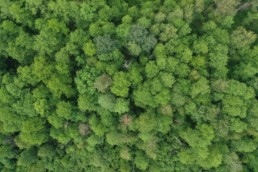
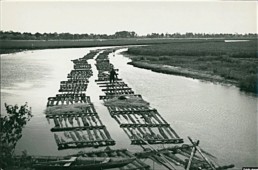
The word ‘Polesia’ comes from the ancient Slavic word ‘les’, meaning ‘forest’. The abundance of forests has been a defining feature of this region since ancient times, and many geographical names here derive from words denoting types of forest or forest vegetation. Forests invariably feature in the extremely rich region’s folklore, including songs, fairy tales, folk omens and incantations. The forest has shaped the way of life and trades of the inhabitants of Polesia. It also provided materials for construction and production. One of the oldest and widespread ways for Polesians to earn a living was through timber logging and rafting, which was facilitated by the large areas of forest and navigable rivers.
Wood was used to make all kinds of household items and was also the main building material. Historical evidence suggests that new wooden houses could be bought at seasonal fairs – sold as ‘constructor kits’, these were sets of wooden parts that were assembled after transportation to the destination.
Polesian carpenters built not only standard residential and household buildings, bridges and dams, but also worked on such complex tasks as the construction of estates for wealthy people, town halls, windmills and watermills, including mobile ones.
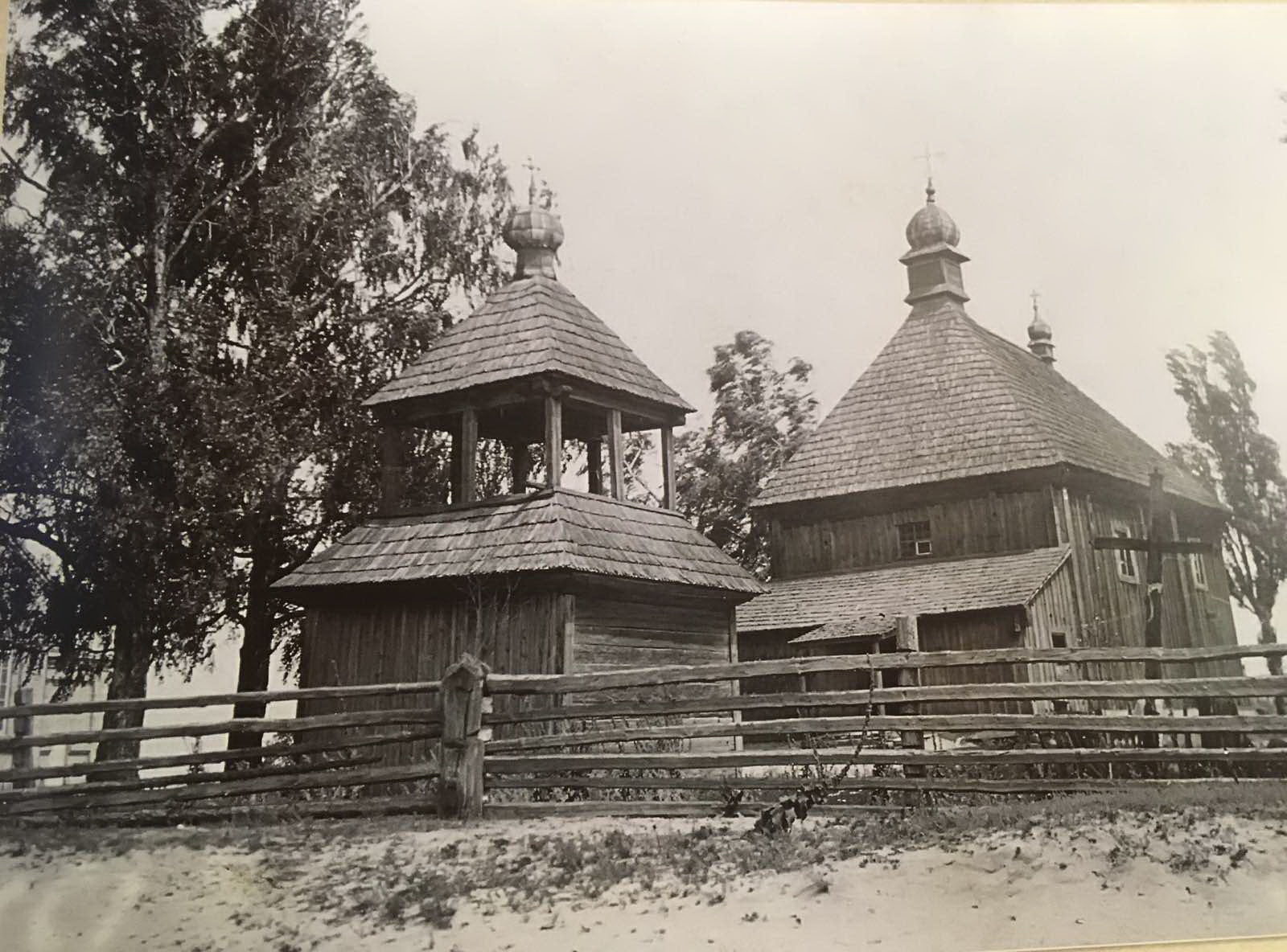
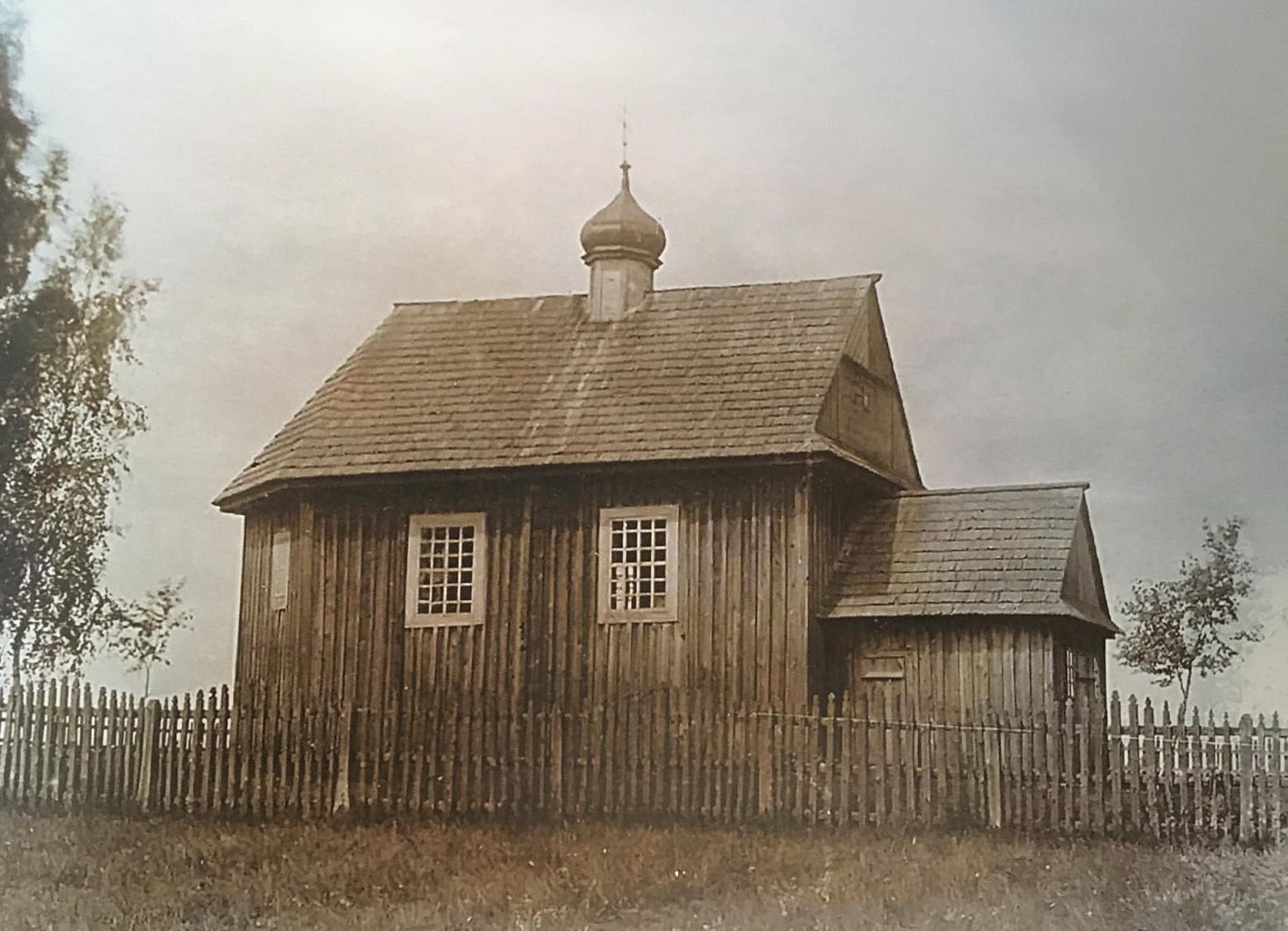
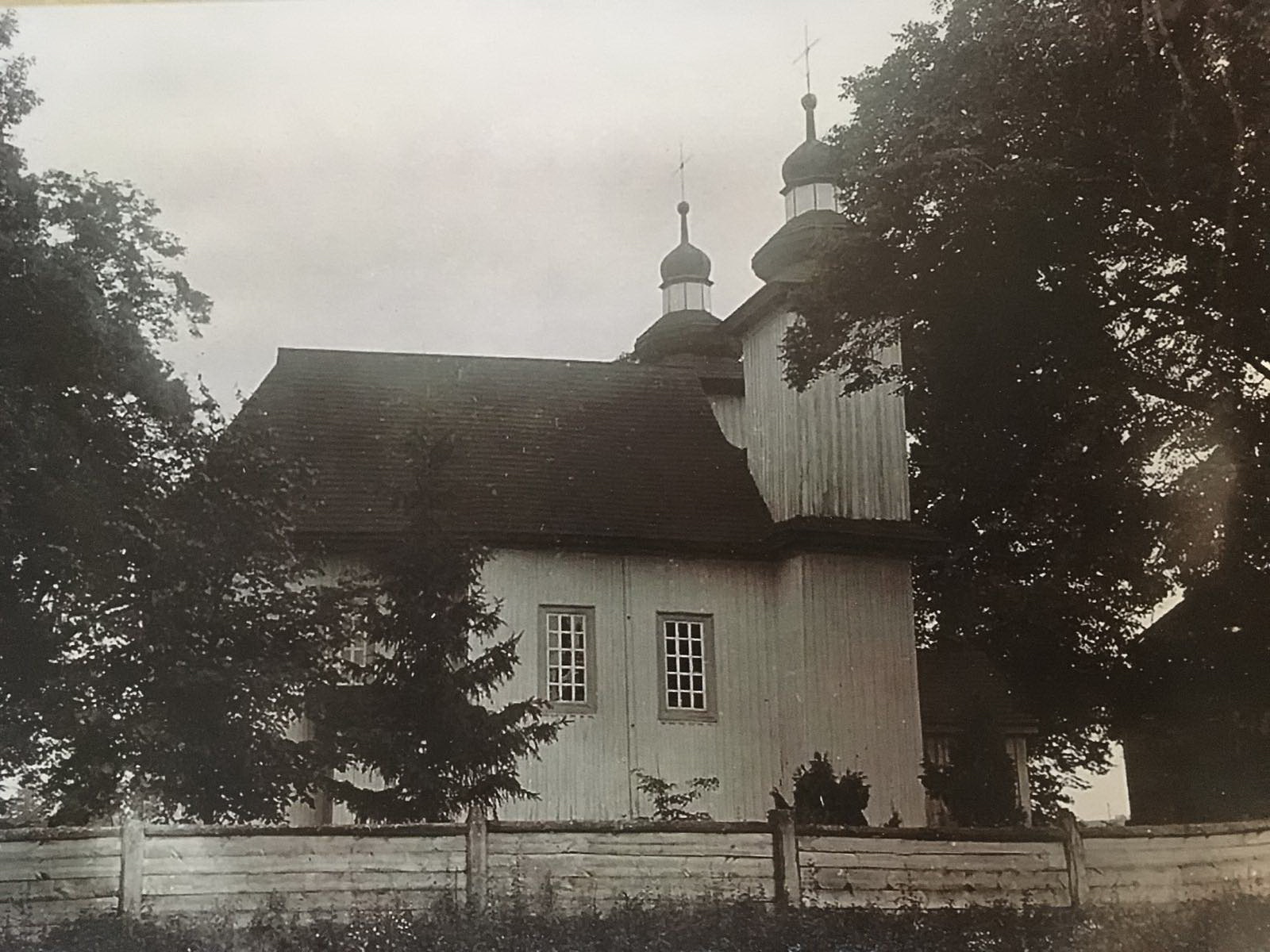
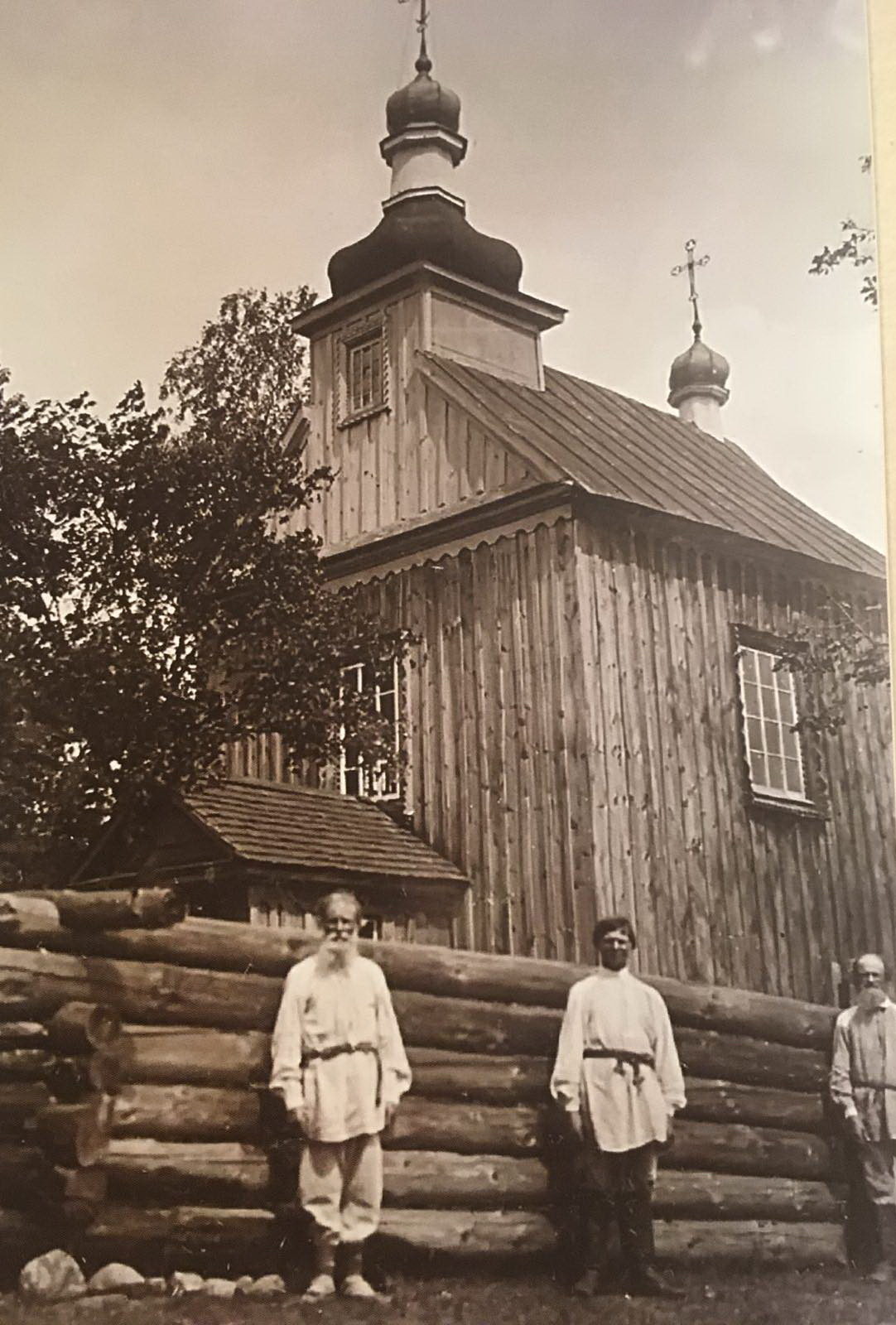
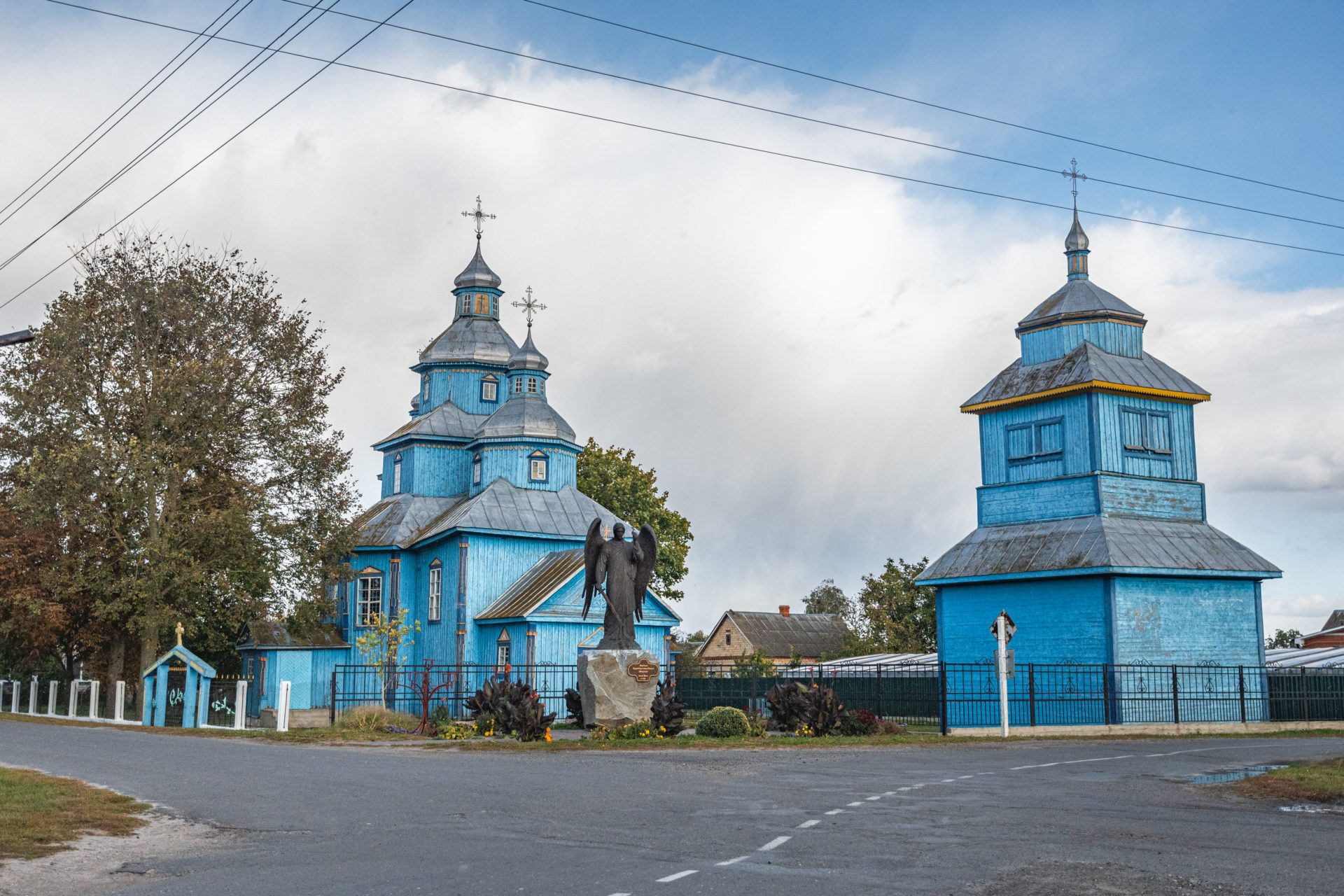
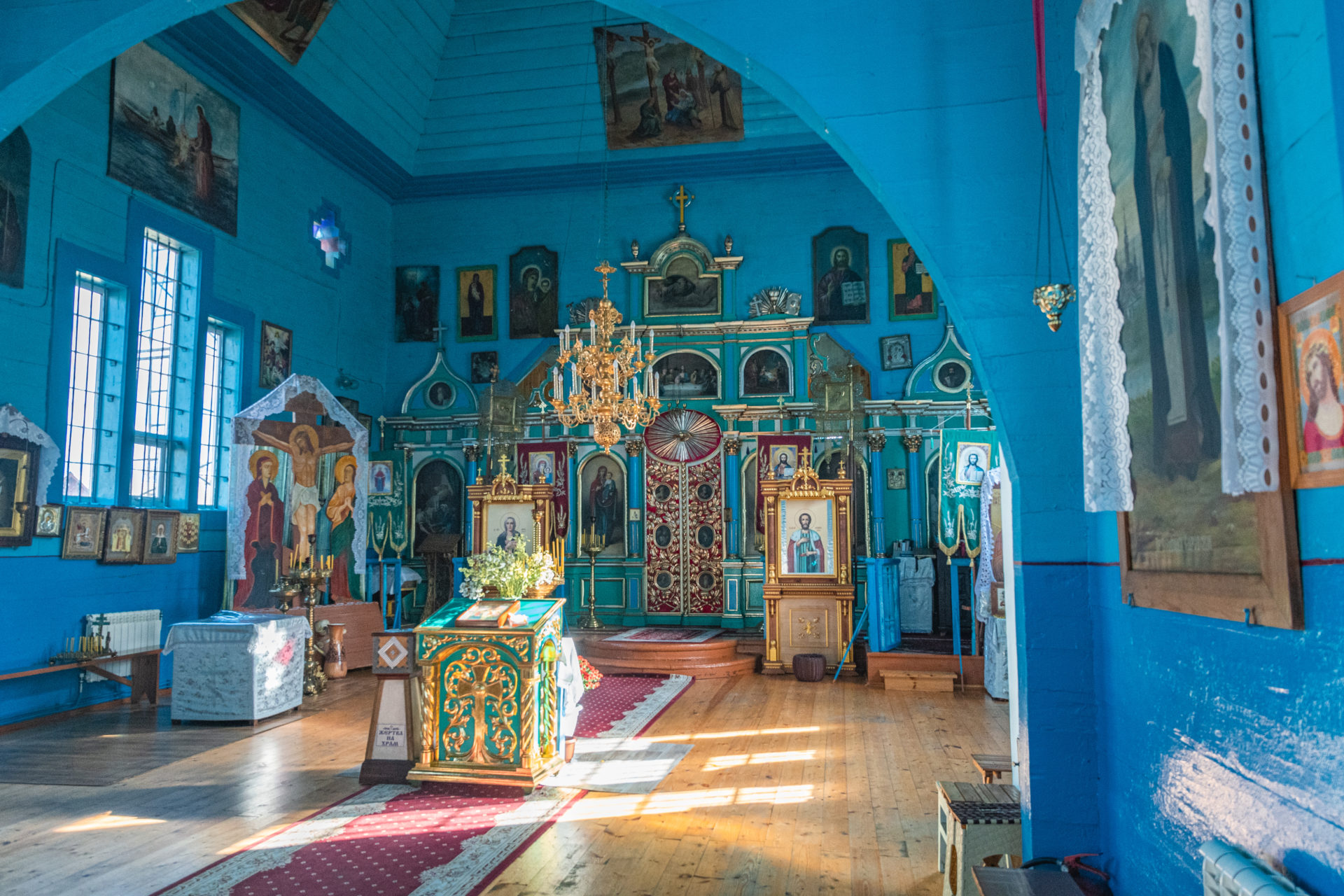
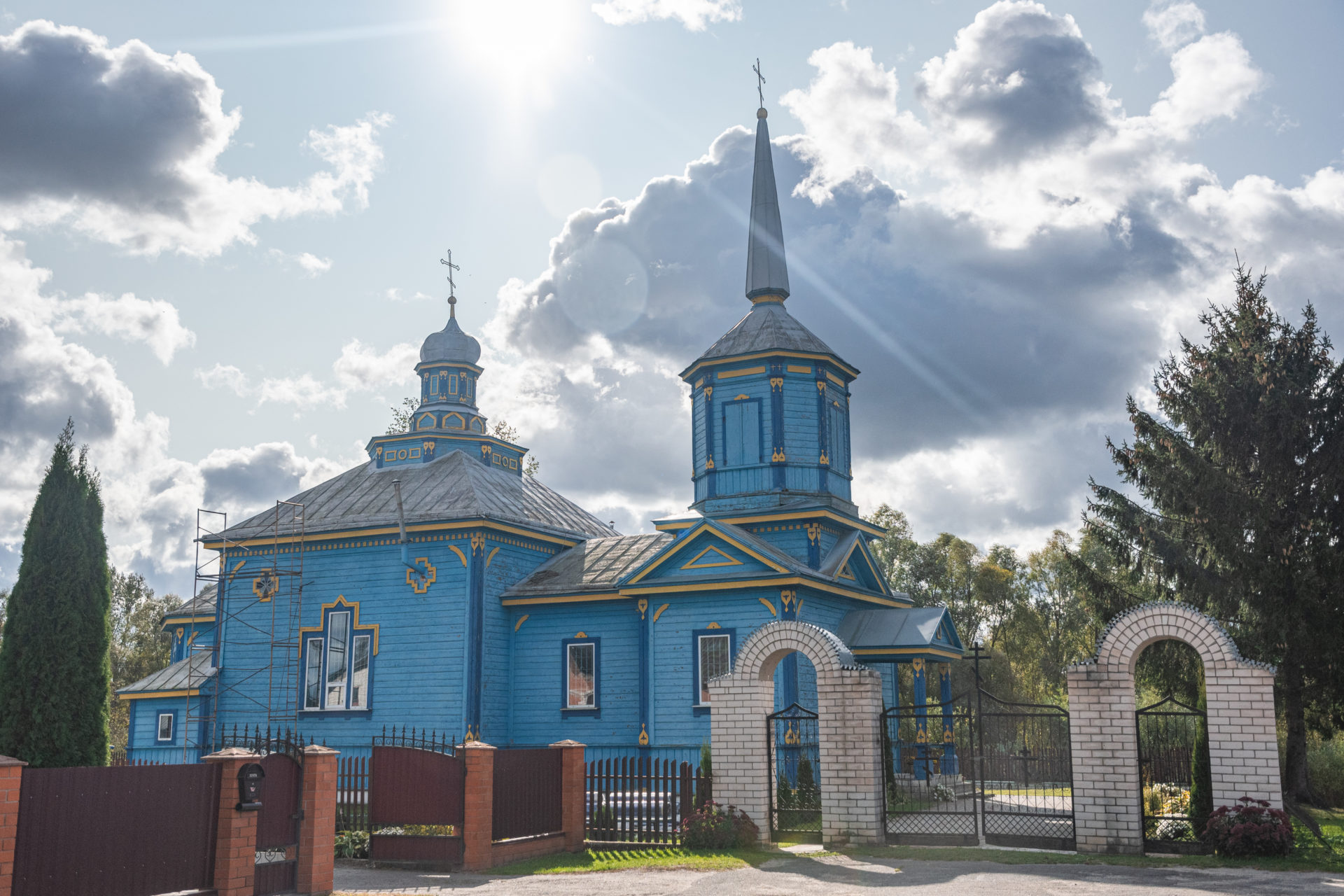
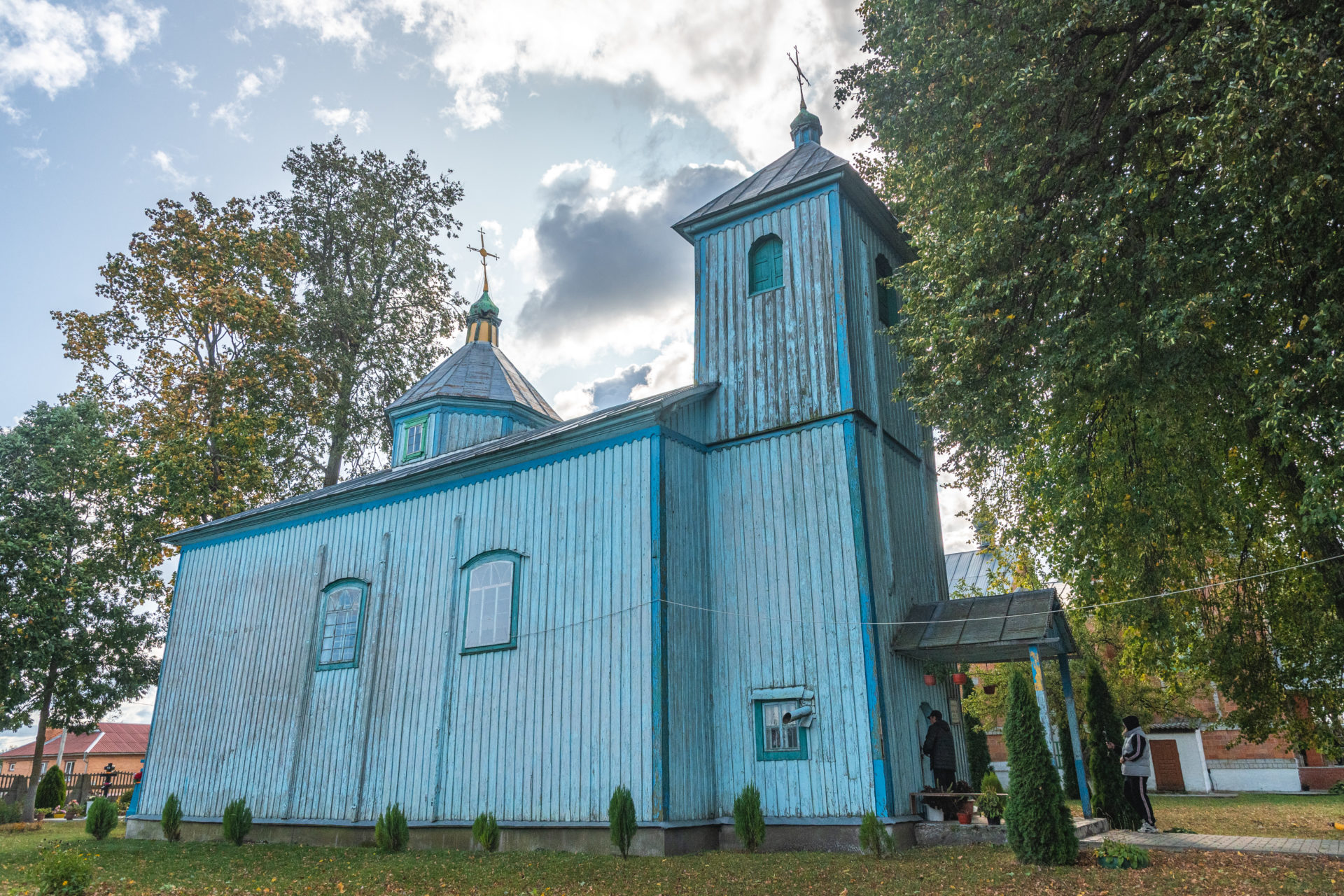
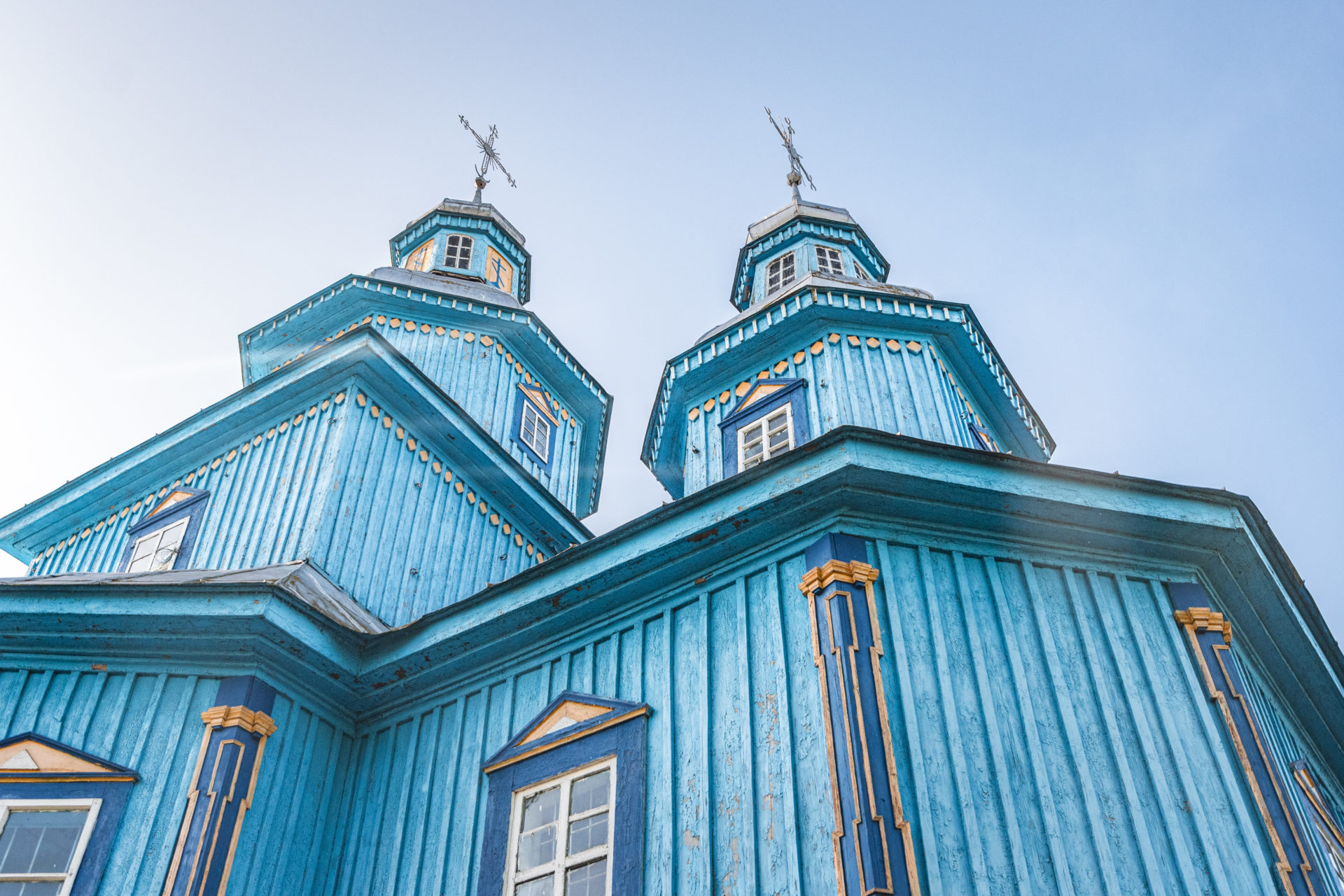
A notable phenomenon was the construction of wooden religious buildings, particularly churches, which are still considered a characteristic feature of the traditional culture of Polesia. Local craftsmen designed and constructed them using familiar technologies. On the other hand, the aesthetics of these churches were often influenced by the styles that manifested in the stone architecture of different eras. Thus, for example, in some wooden churches in Polesia exhibit Baroque features. The oldest surviving wooden churches in the region are now over 400 years old andthey are recognised as cultural property, and protected by law.
The Polesian landscape, with its vast forests and meadows abundant with honey-bearing plants, was ideal for beekeeping. Beekeeping has played an important role in the local economy since ancient times. Honey was used not only as a foodstuff, but also in ceremonies to make high-quality alcoholic drinks and ritual dishes for weddings, funerals, and calendar holidays. Honey accompanied the locals throughout their lives, from birth to death. For many centuries, honey and wax were traded on domestic and foreign markets, and even served as a currency. Documents from the thirteenth century onwards refer to this practice.
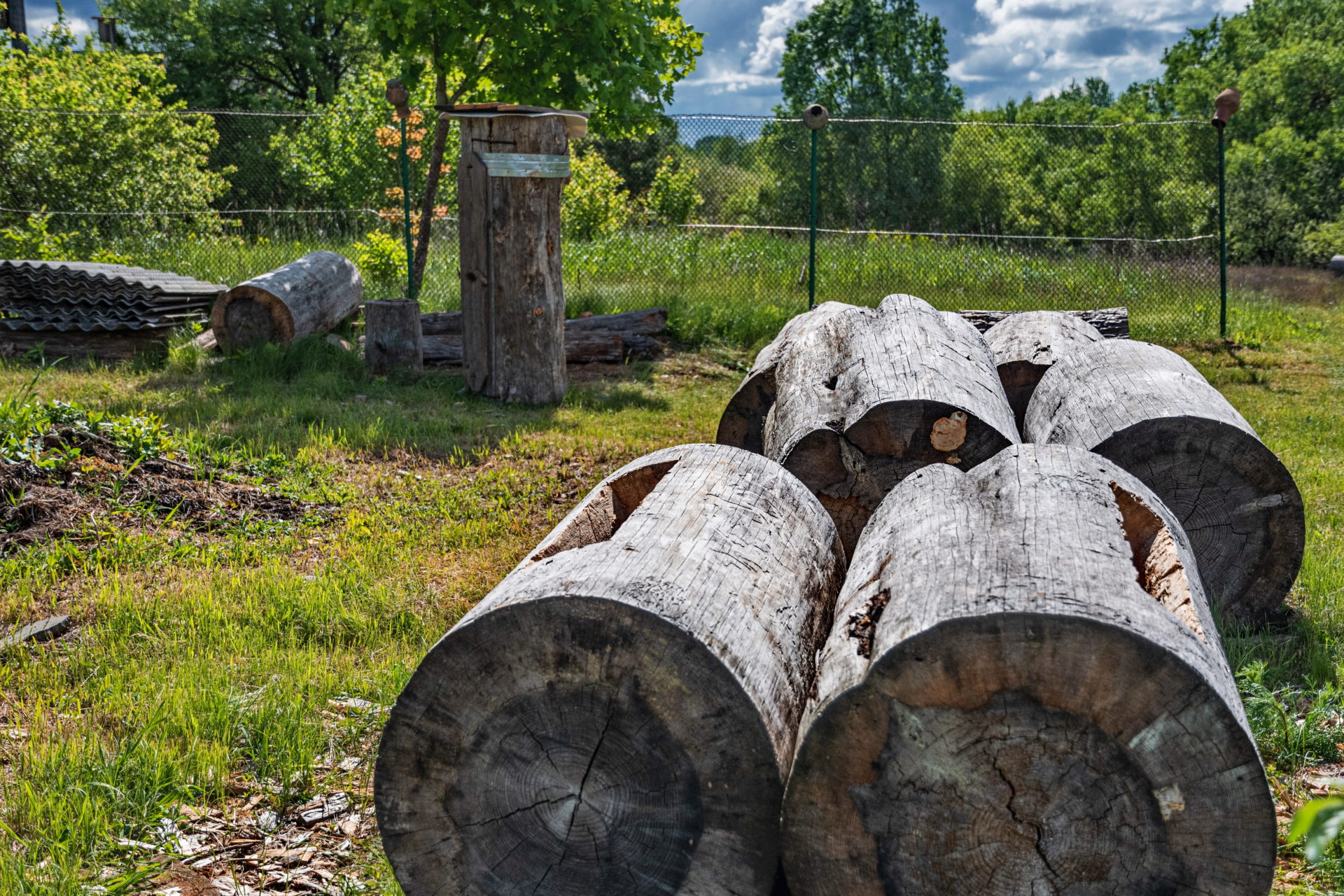
Beekeeping in Polesia has passed through three distinct phases. Initially, it involved protecting and caring for wild bees that had settled independently in natural tree hollows. Later, beekeepers started deliberately settling swarms of forest bees in naturally hollowed trees that had been adapted as beehives. Finally, they began breeding and keeping bees in artificial, handmade hives fixed to trees in the forest. “The higher the hive, the sweeter the honey!” they said.
Centuries of practice resulted in the development and refinement of the optimal technique for making beehives andrational methods for attracting swarms and caring for bees. Specialised tools, as well as beekeeping rituals, traditions and laws, were also developed. The beekeeping profession was usually passed down through the generations, with people learning to follow the bees from their parents from a young age and acquiring beekeeping skills through practical experience. Beekeeping tools and equipment have survived almost unchanged to this day. They were used throughout the region.
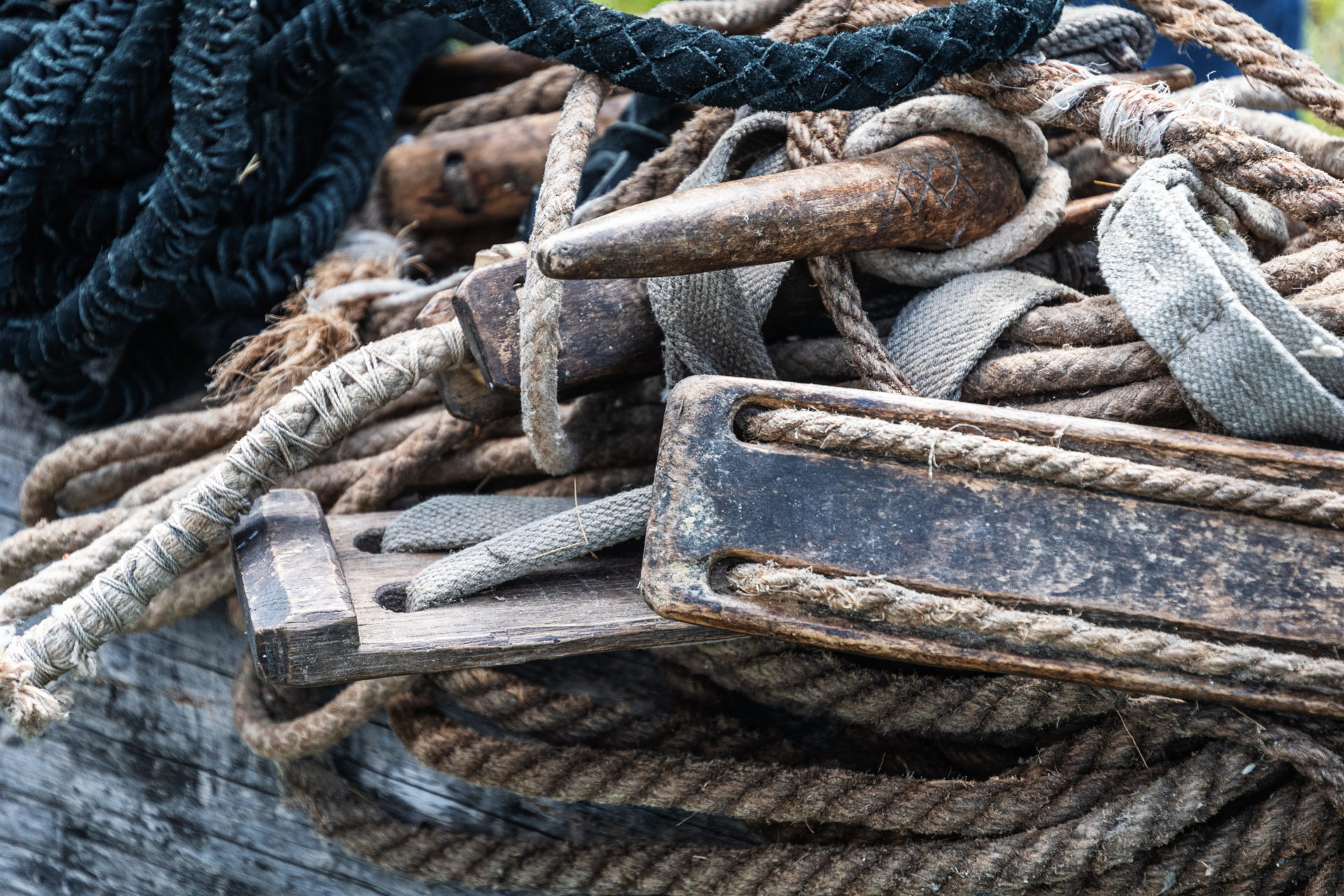
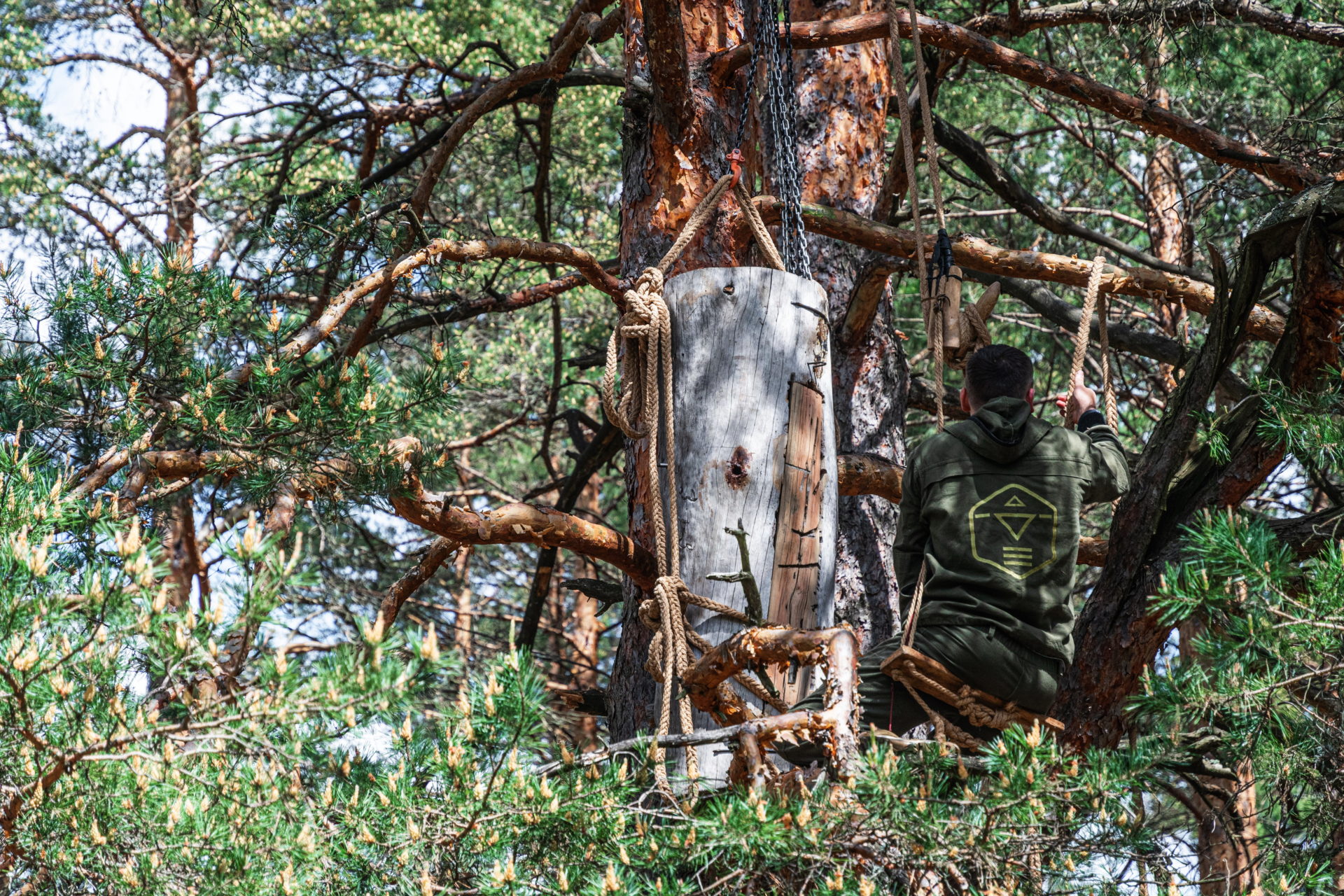
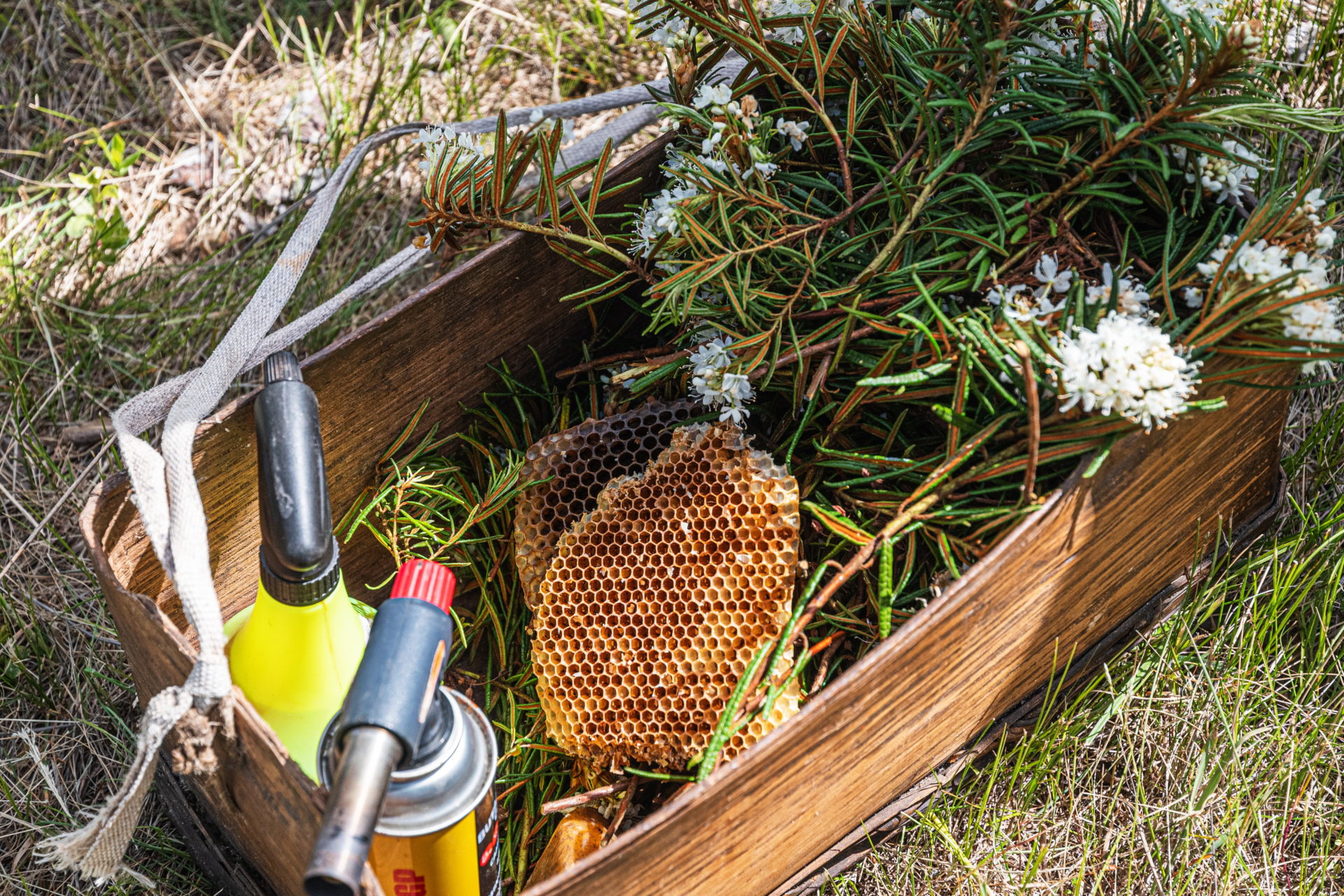
The most traditional version of this craft is practised in the floodplain of the Ubort River. This region is now home to dozens of beekeepers who have inherited this craft from their elders and now practise it regularly. They use specialised tools and equipment with specific names, and have their own traditions, rituals, and ethical norms that determine their interaction with bees and wildlife as a whole. They also have traditions relating to the use of bee products in folk medicine and cooking.
Wish to cook something truly Polesian, with a honey flavor? Here is a recipe of millet porridge with pumpkin and honey!
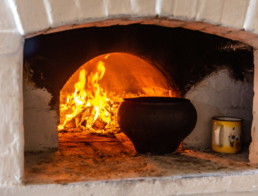
Take half a kilo of ripe pumpkin flesh. Cut it into small cubes and place them in a deep cooking pot. Rinse a cup of millet groats thoroughly, then add them to the pumpkin. Pour in three glasses of milk. Add two or three tablespoons of honey, a pinch of salt to balance the flavour, and some butter to taste. Stir everything together, cover with a lid andplace in a hot oven or on the stove to cook. Once all the ingredients are ready, brush the surface of the dish with butter and cook for a little longer without the lid to form a golden crust.
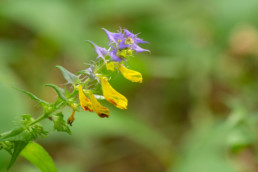
The rich traditional culture of Polesia has developed and flourished over the centuries under the direct influence of the natural environment. The Chornobyl catastrophe demonstrated just how close this connection is. After the nuclear power plant accident, thousands of region’s residents had to move, and many traditional cultural practices ceased, as it was impossible to continue them in a different environment and community. By preserving the region’s old forests, mysterious bogs and valleys of free-flowing rivers, we are also safeguarding a valuable part of humanity’s cultural diversity – as vibrant and colourful as a flowering Polesian meadow.



The project “Polesia – Wilderness Without Borders” is part of the Endangered Landscapes & Seascapes Programme and is funded by Arcadia. The project is coordinated by Frankfurt Zoological Society (FZS).